
Die casting mold engineering in China
Die Casting Tooling & DFM
Drawing review, tool concept, gating, venting, slides, ejection, machining allowance and sample approval planned around repeat part production.
 Drawing-based manufacturing
Scope and control
Decisions are made from the part, not a generic service menu.
Drawing review, tool concept, gating, venting, slides, ejection, machining allowance and sample approval planned around repeat part production.
The quotation should state the part function, material, annual volume, critical characteristics and approval evidence. These inputs determine equipment, tooling, fixtures, secondary operations and the practical inspection route.
Manufacturing feasibility is reviewed against the actual drawing. Tight tolerances, appearance limits, pressure tests or special documentation are confirmed before they become production commitments.
- Review point
- Parting line, slide direction and release draft
- Review point
- Gate, runner, overflow and venting strategy
- Review point
- Ejector position and appearance-zone protection
- Review point
- Tool trials, correction loop and approved sample
Engineering inputs and production evidence
Define critical requirements before tooling and process release.
A comparable quotation requires the alloy, annual volume, critical dimensions, datum scheme, secondary operations, finish, validation and packaging requirements to be agreed in writing. Production evidence is then matched to those approved requirements.
| Control stage | Project definition | Production evidence |
|---|---|---|
| Controlled inputs | 3D model, 2D drawing, alloy, volume, life expectation and critical characteristics form one revision-controlled package. | Quotation assumptions and unresolved questions are closed before tool authorization. |
| Parting and movement | Parting surfaces, slides, lifters, shutoffs and release draft are selected around geometry and appearance restrictions. | Tool concept identifies witness lines, moving directions and access before detailed manufacture. |
| Metal-flow system | Runner, gate, overflow and vent placement are developed around fill distance, thermal mass and critical zones. | Trials evaluate incomplete fill, gas, shrinkage, flash and local appearance; corrections are recorded. |
| Ejection and handling | Ejector force, support, trimming and robot or manual handling can distort thin or broad parts. | Ejector/contact map and handling plan protect functional and visible surfaces. |
| Machining coordination | Casting datums and stock must support the first CNC setup and prevent excess removal near critical zones. | Tooling, fixture and measurement teams share the approved datum and allowance plan. |
| Trial and change control | Sample approval is a controlled loop, not a one-time visual check. | Trial condition, dimensional/functional results, corrections, sample status and subsequent changes remain linked to revision authority. |
Review the supporting quality evidence in IATF 16949 certificate and scope and Huabo quality-system overview.
Related products
Production examples connected to this capability.
Select a component to review its geometry, key controls, adjacent processes and industry application.
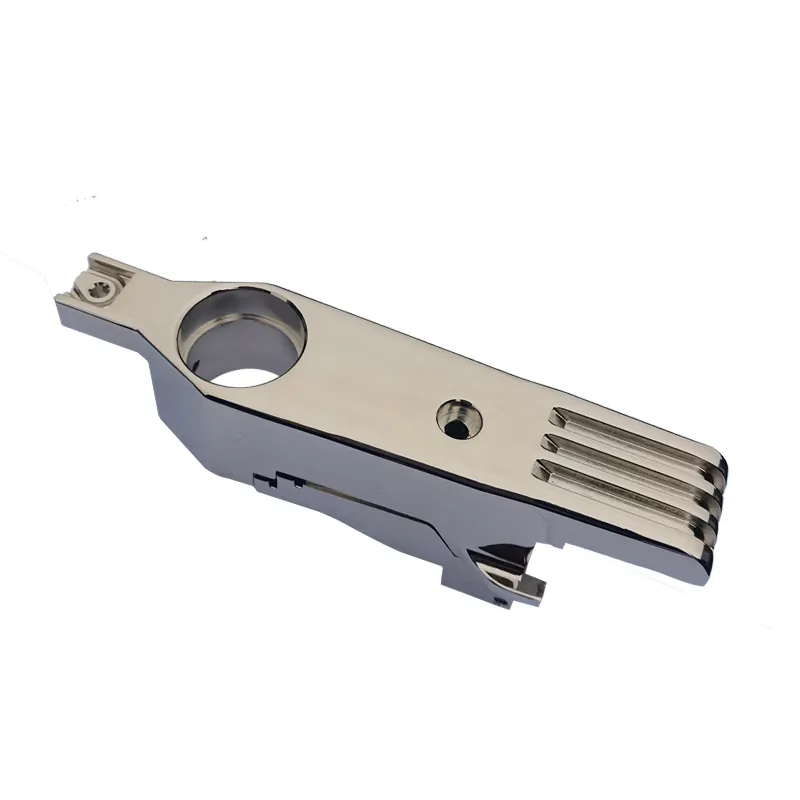
Aluminum die castingPrecision Aluminum Die Cast Positioning Plate
Industrial automation fixture and equipment alignment.
Review product and process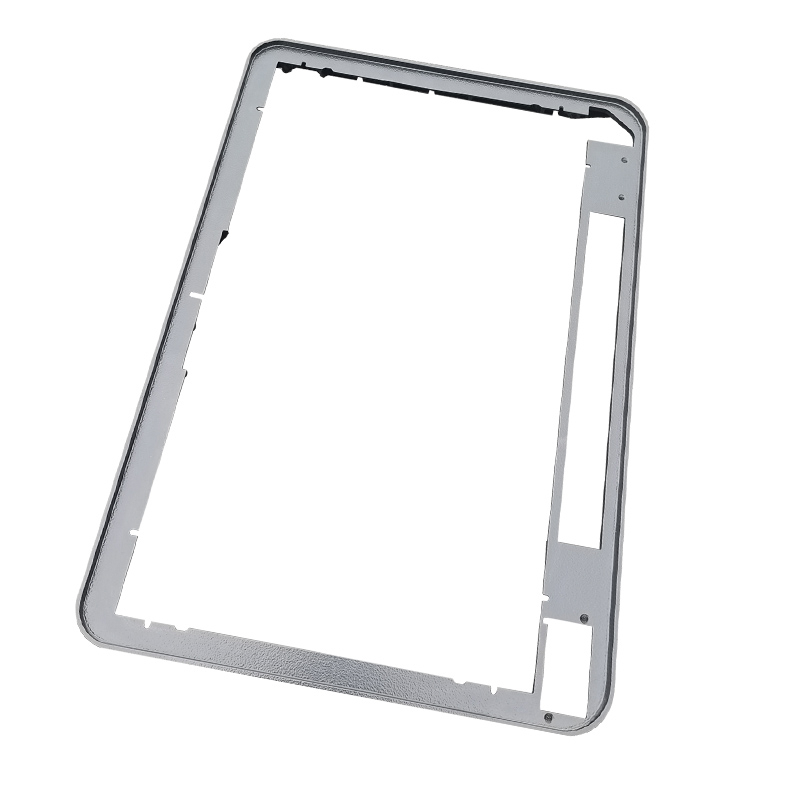 Aluminum die casting
Aluminum Die Cast Equipment Display Bezel
Operator panels, displays and industrial control equipment.
Review product and process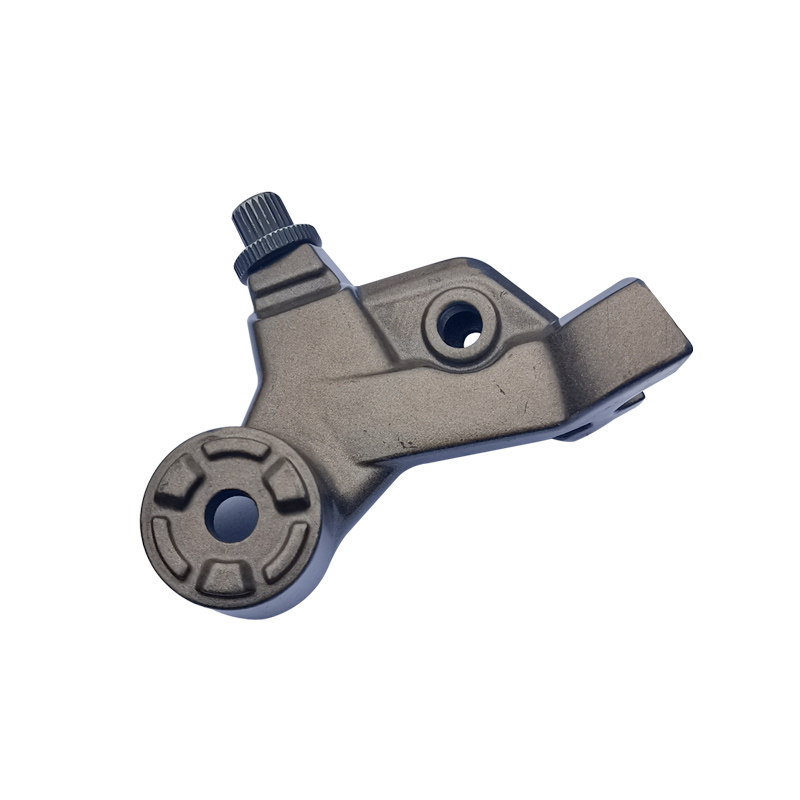 Aluminum die casting
Aluminum Die Cast Angle Adjustment Bracket
Adjustable machinery, instruments and positioning assemblies.
Review product and process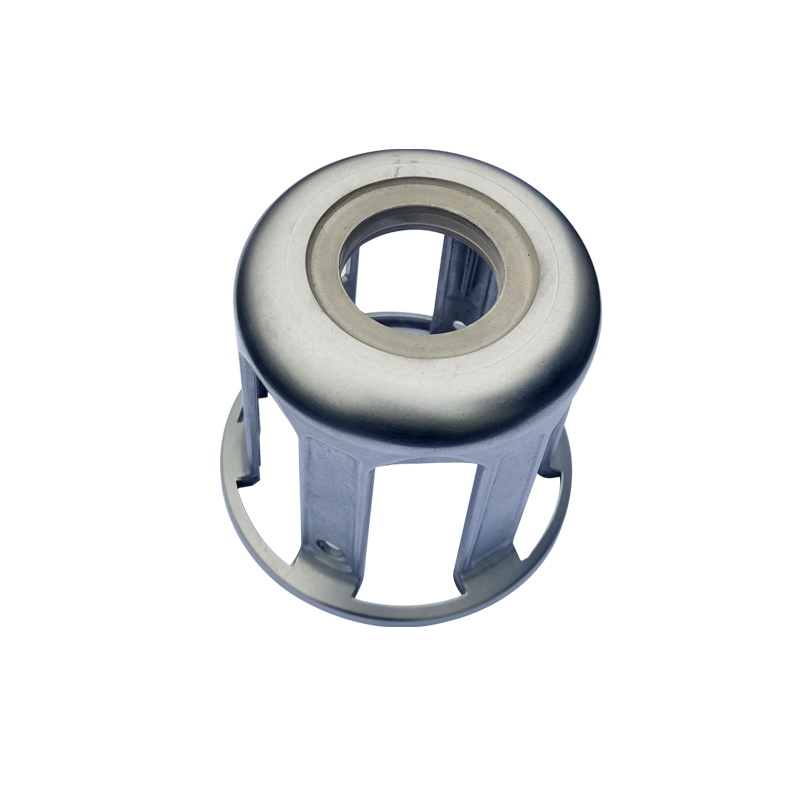 Aluminum die casting
Cylindrical Aluminum Die Cast Support Base
Equipment columns, sensor supports and cylindrical component mounting.
Review product and process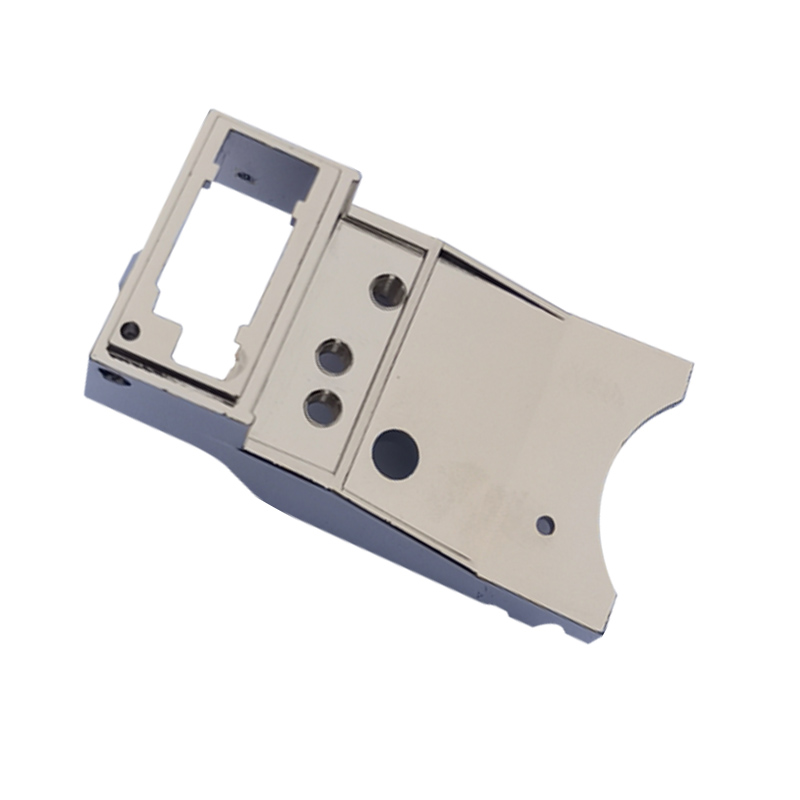 Aluminum die casting
Aluminum Die Cast Control Panel
Industrial controls, electrical equipment and user-interface assemblies.
Review product and process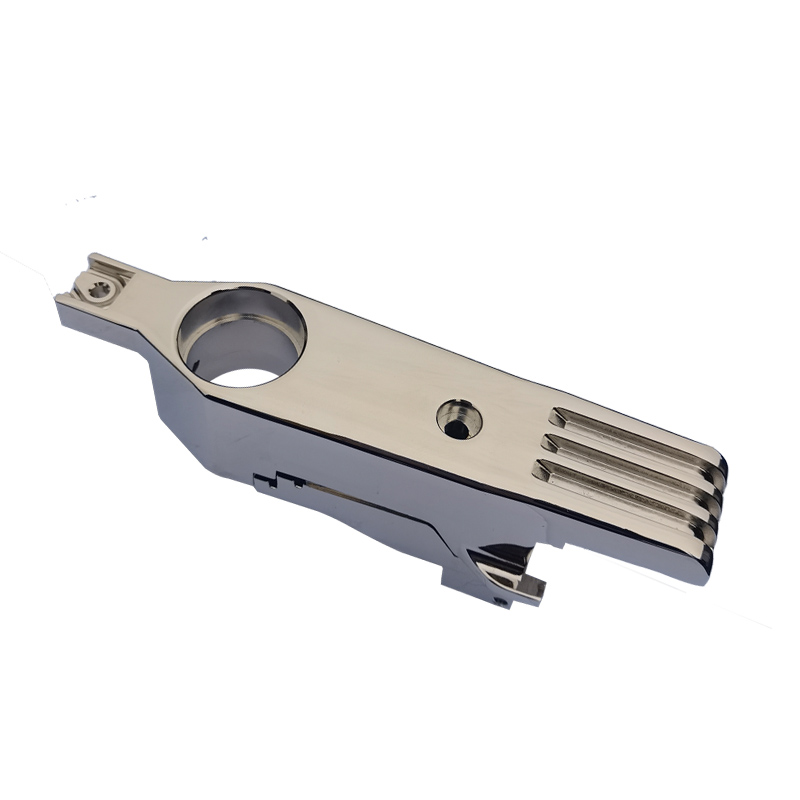 Aluminum die casting
Aluminum Die Cast Shaft-Hole Mounting Plate
Motor, drive and machinery shaft support assemblies.
Review product and processProcess handoff
Keep engineering decisions connected across operations.
A robust route connects casting datums to machining fixtures, protected surfaces to finishing, and drawing characteristics to inspection. That coordination is especially important for exported repeat-production parts where revision changes must be visible to every operation.
- ReviewConfirm geometry, material, volume and critical requirements.
- PlanDefine tooling, process sequence, fixtures and measurement access.
- ValidateUse trials and samples to close dimensional, functional and appearance issues.
- ControlRelease repeat production with agreed checks, records and change control.
Comparable quotation scope
Make the capability commitment visible before supplier nomination.
A quotation for die casting tooling & dfm should identify what Huabo performs, what is coordinated with an approved external process where applicable, and what remains excluded or pending customer confirmation. It should connect the named drawing revision to material, tooling, fixtures, secondary operations, samples, reports and delivery assumptions.
Commercial comparison becomes unreliable when one supplier includes gauges, finishing, first-piece reports or export packaging and another does not. Ask every bidder to return the same included, optional, excluded and unresolved scope. Close engineering deviations before authorizing tooling or fixing the series price.
After approval, changes to drawing, material, tool, fixture, process, finish or inspection method should follow the agreed notification and revalidation route. This keeps repeat-production evidence tied to the product revision and ensures the approved drawing and control plan govern manufacturing.
- Controlled 3D and 2D revision
- Alloy and permitted alternatives
- Prototype, annual and batch demand
- Included tooling and secondary operations
- CTQs, tests, reports and sample quantity
- Finish, packaging, delivery and change-control assumptions
Common sourcing questions
Clarify the RFQ before comparing quotations.
Commercial comparison is more reliable when suppliers quote the same technical and approval scope.
What is reviewed before tool release?
Geometry, alloy, annual volume, parting, slides, filling, ejection, machining stock, critical datums and approval evidence.
Does the mold design consider CNC machining?
Yes. Casting and machining datums, clamping surfaces and stock should be coordinated before tool release.
How are changes controlled?
The approved drawing revision and agreed engineering change process should govern tooling and repeat production.
Discuss Die Casting Tooling & DFM.
Attach the drawing and list the material, volume, critical interfaces, finish and required records.