
China automotive die cast coating supplier
Automotive Die Cast Part Painting
Automotive casting paint and exterior-component coating examples with pretreatment, masking, appearance and packaging controls.
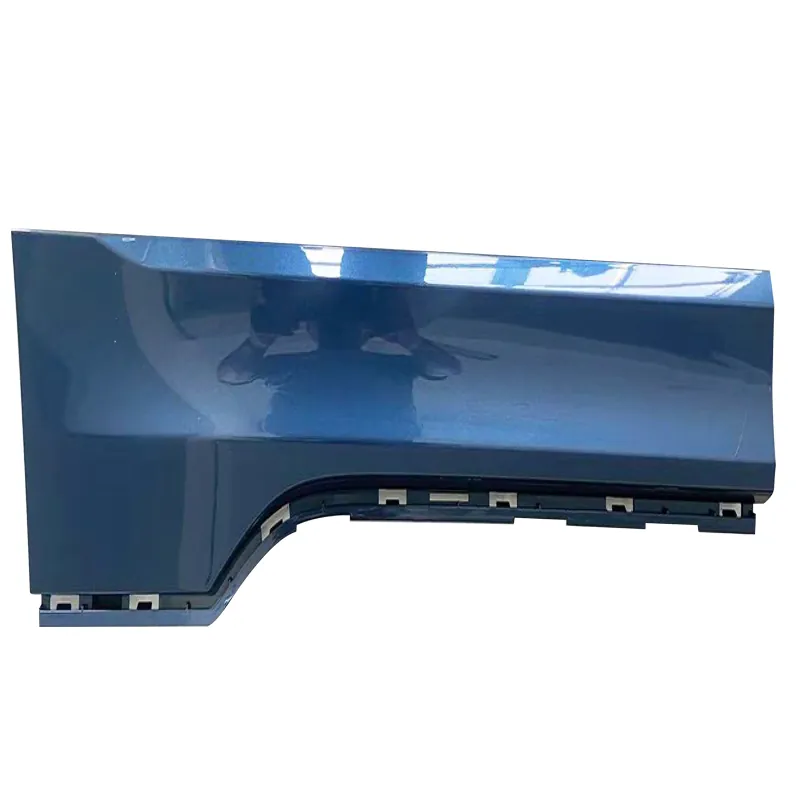 2 product examples
Product-family engineering
Automotive die cast painting controlled from substrate to packaging.
Painting a die casting is not an isolated cosmetic operation. Casting skin, machining, oils, handling, pretreatment, masking, film build, cure and packaging all influence appearance and adhesion. Automotive parts therefore need an agreed surface map and process route before the first painted sample is approved.
Huabo has supported painted automotive die cast components. The project drawing should identify Class A or other visible zones, viewing conditions, permitted repairs, color, gloss, texture, masked interfaces and the physical master sample used for release.
Functional areas require separate controls. Threads, sealing lands, electrical contacts, bonding points and tight fits may need masking or coating allowance. Packaging must prevent finished surfaces from rubbing after they have passed inspection.
Engineering decisions
Define the manufacturing system before approving the tool.
These decisions change tooling, process stability, downstream cost and the evidence required for production release.
| Decision | What to define | Why it matters |
|---|---|---|
| Substrate acceptance | Permitted casting and machining marks before coating | Prevents coating from hiding or amplifying uncontrolled defects |
| Appearance standard | Zones, lighting, distance, color, gloss and master | Makes visual inspection repeatable |
| Masking plan | Threads, seals, contacts, fits and identification | Protects assembly and electrical function |
| Validation and packaging | Film, adhesion, cure, corrosion and separators | Maintains approved appearance through shipment |
Risks to resolve
Crater, pinhole or blister
Contamination, connected porosity and incompatible pretreatment can create visible defects. Validate on representative castings.
Color and gloss drift
Substrate, film thickness and cure variation change the final appearance. Use a defined method and approved master.
Masked-feature failure
Coating on threads, seals or bonding points can cause assembly or electrical problems. Inspect after final finish.
Transit damage
A compliant painted part can still be rejected after rubbing or compression. Packaging approval is part of the finish process.
Factory evidence
Equipment and quality controls behind the product family.
Huabo’s documented factory resources are shown separately from drawing-specific tolerances, testing and acceptance limits.
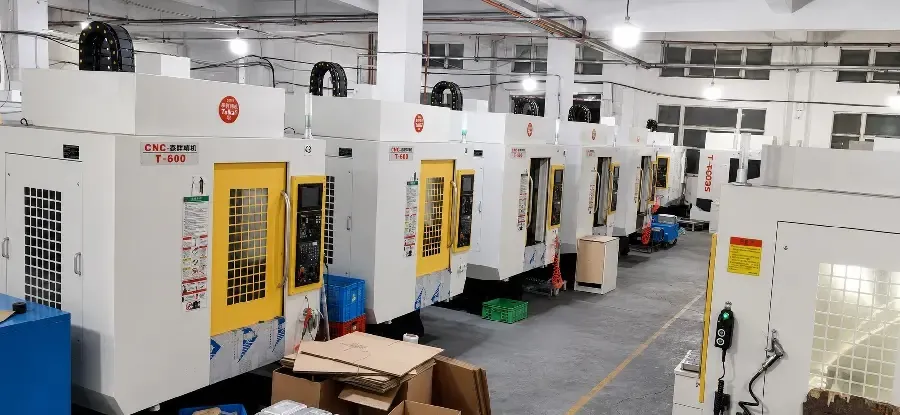
Die casting equipment
Huabo documents a 58T–800T die casting equipment range. Machine selection is reviewed from projected area, tool size, shot requirement, alloy and the process window needed by the drawing—not from part weight alone.
Review this capability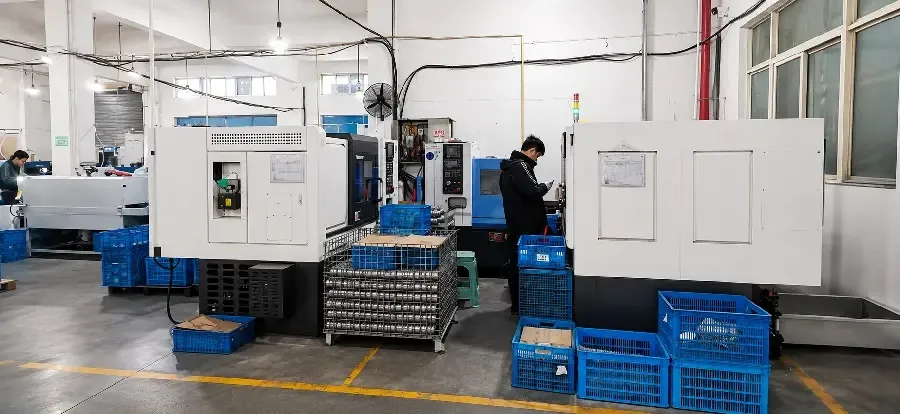
Tooling and CNC machining
Tool coordination, vertical machining centers and turning equipment support bores, faces, holes, threads and sealing interfaces after casting. Fixture datums and machining sequence are reviewed with the part function.
Review this capability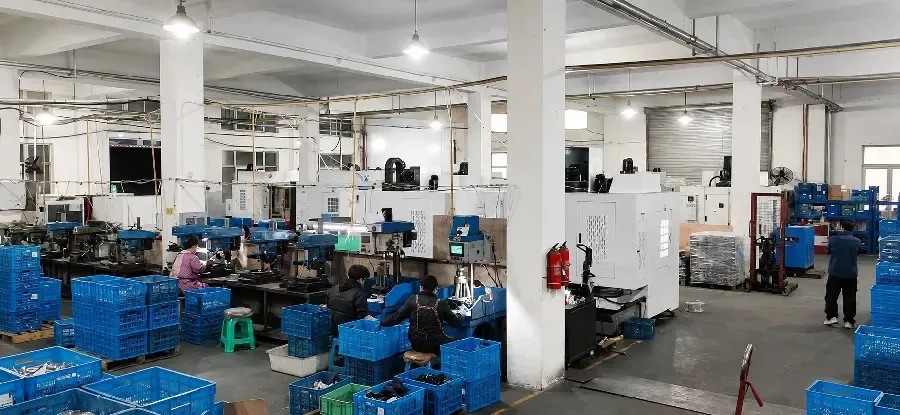
Inspection resources
Dimensional inspection stations, CMM capability and material-analysis resources support first-piece approval and repeat production control. The characteristic list and sampling plan remain drawing-specific.
Review this capabilityQuality planning and release evidence
| Control area | Huabo basis | Project-specific confirmation |
|---|---|---|
| Quality system | IATF 16949 | System-level control for automotive and repeat manufacturing programs |
| Material control | Alloy identification and project records | Certificate and restricted-substance requirements agreed in the RFQ |
| Dimensional approval | First-piece and drawing-based inspection | Datums, gauges, CMM program and report format selected by risk |
| Change control | Drawing, process and tooling revision | Customer approval requirements defined before production changes |
Controlled production route
From drawing review to repeat shipment.
The sequence keeps tooling, casting, secondary operations and inspection tied to the same functional datums and approved revision.
- Surface mapClassify visible, hidden, repaired and functionally protected zones.
- Substrate preparationAgree cleaning, repair and pretreatment compatible with the alloy and coating.
- Masking and rackingProtect critical features and support the part without visible marks.
- Coating and cureControl material, film application and cure conditions for the approved system.
- Appearance and functional checksInspect color, gloss, film, adhesion and masked interfaces as specified.
- Packaging approvalUse clean separators and orientation that prevent part-to-part contact.
For detailed quotation and process decisions, review automotive die cast painting quality controls, surface finishing selection for die castings, and surface finishing capability.
Production examples
Real products in this family.
Automotive painted parts require a defined appearance standard. The RFQ should identify visible zones, color and gloss target, film thickness, adhesion method, masked interfaces and packaging protection. Open each component for its own geometry, secondary operations, control points and adjacent engineering pages.
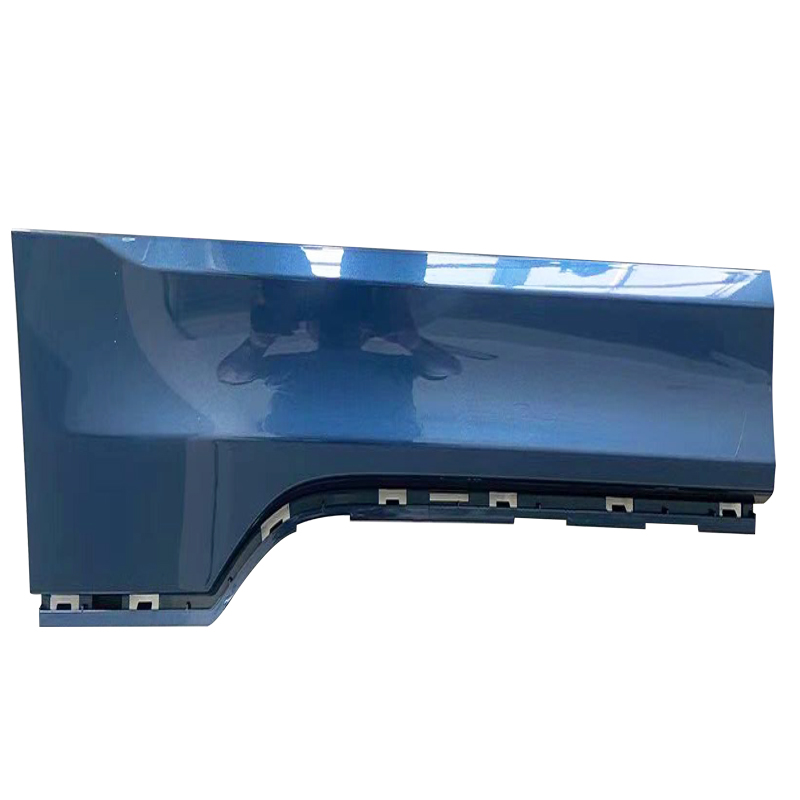 Aluminum die casting
Automotive Die Cast Part Painting Service
Painted automotive aluminum components and protected exterior assemblies.
Review product and processAluminum die castingAutomotive Exterior Die Cast Part Painting
Visible automotive exterior and trim-related die cast components.
Review product and processBuyer questions
Questions to resolve before quotation and mold manufacturing.
Answers below define a reliable starting point; the controlled customer drawing remains the final authority.
What should be included in a painted-part RFQ?
Provide substrate alloy, visible-zone drawing, color/gloss/texture standard, master sample, masking, film and validation requirements.
Can paint hide die casting defects?
It may hide some variation and amplify other defects. Substrate acceptance and permitted repair must be agreed before coating.
Why inspect dimensions after painting?
Film build can change threads, holes, fits and seating features, so final functional characteristics may require post-finish verification.
How should painted parts be packed?
Protect visible surfaces from contact, rubbing, dirt and pressure marks using an approved pack orientation and clean separators.
Discuss a automotive die cast part painting project.
Send the latest drawing and mark functional datums, appearance zones, machining features and inspection requirements.