
Custom die casting products from China
Custom Aluminum & Zinc Die Casting Products
Compare Huabo production examples by alloy, component geometry and manufacturing route. Each product identifies the relevant casting, machining, finishing and inspection controls.
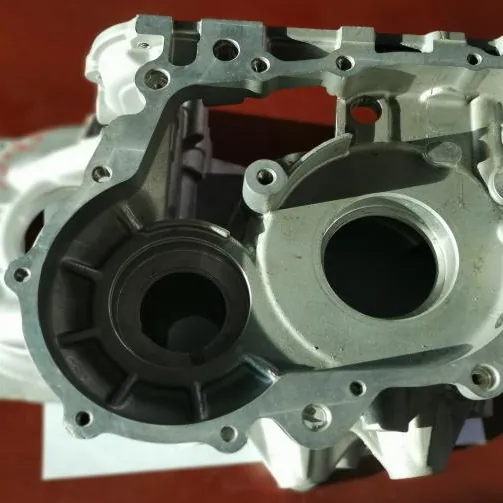 Drawing-based production examples
Product families
Choose by alloy and downstream process.
The catalog keeps aluminum, zinc, named-alloy machining and automotive painting separate so engineers reach the relevant manufacturing route quickly.
 20 production examples
Custom Aluminum Die Cast Parts
Twenty drawing-based aluminum die cast housings, panels, brackets, heat sinks and structural components manufactured for customer-specific applications.
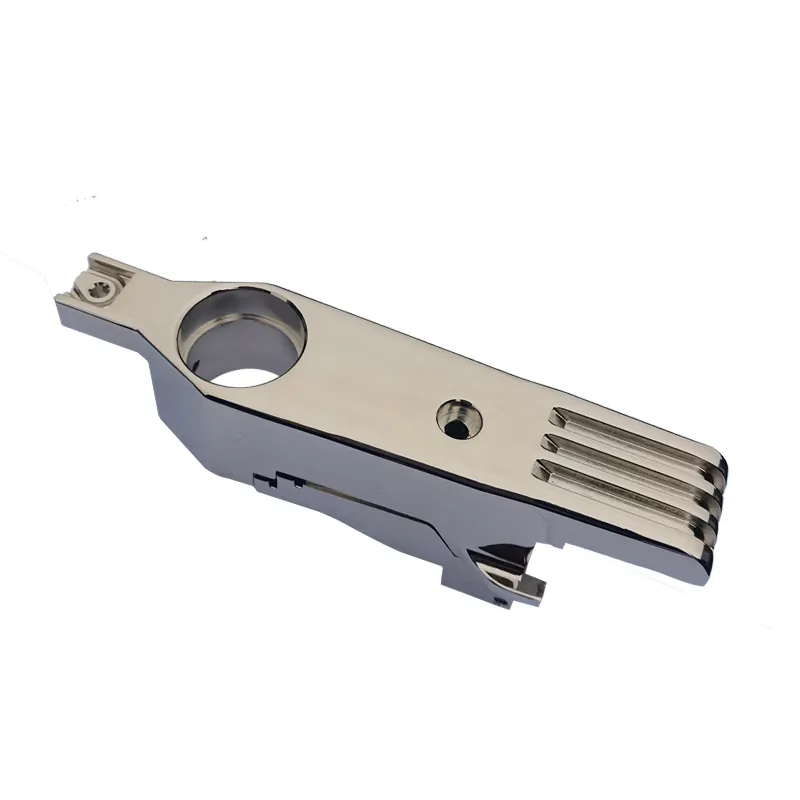
View complete category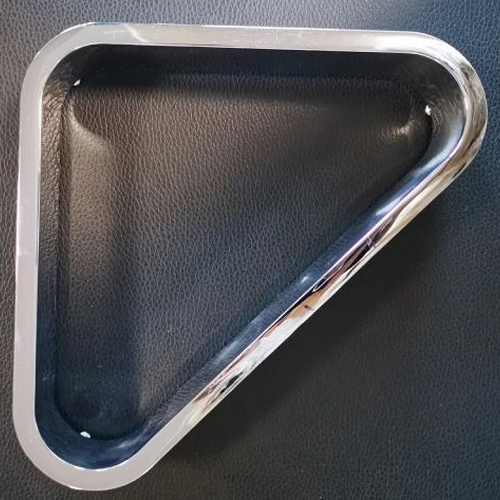 9 production examples
Custom Zinc Die Cast Parts
Nine compact zinc die cast frames, threaded fittings, caps, brackets and housings manufactured to customer drawings.
View complete category15 production examplesADC12 & A380 Machined Die Castings
Fifteen ADC12 and A380 housings, panels, end covers, brackets and heat sinks with CNC machining, blasting, coating or anodizing.
View complete category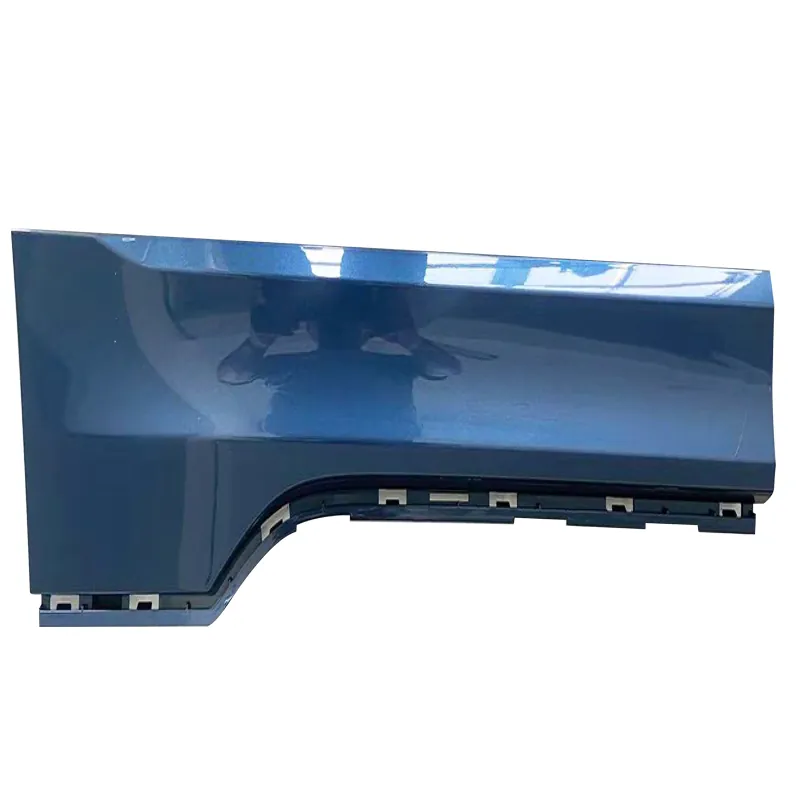 2 production examples
Automotive Die Cast Part Painting
Automotive casting paint and exterior-component coating examples with pretreatment, masking, appearance and packaging controls.
View complete categoryProduct-family selection
Start with the material or downstream process that controls the project.
A product photograph is a useful geometry reference, but the controlled drawing remains the manufacturing authority. Select the family that matches the known alloy, machining, finishing or application requirement, then compare the nearest component form.
| Product family | Best starting point when | Technical details provided |
|---|---|---|
| Custom aluminum die castings | The alloy is aluminum and the main question is housing, plate, bracket, frame, motor, enclosure or heat-sink geometry. | Observed form, application, CTQs, casting route, secondary operations and RFQ inputs |
| Custom zinc die castings | The part uses compact detailed zinc geometry, cosmetic edges, threads, fittings, caps or mounting hardware. | Thread and feature controls, finish allowance, final-state gauges and functional validation inputs |
| ADC12 and A380 machined castings | A named alloy, CNC bores, faces or openings, blasting, coating or anodizing is central to the requirement. | Alloy basis, machining datum risks, finish protection and part-specific inspection evidence |
| Automotive painted die castings | Pretreatment, masking, color, gloss, coating defects and appearance-safe packaging control the program. | Appearance-zone controls, finish-release evidence and automotive process guidance |
Manufacturing and quality resources
Factory capability supporting drawing-based repeat production.
Huabo combines 58T–800T die casting equipment with tooling, CNC machining, finishing coordination, dimensional inspection and an IATF 16949 quality system. The final process route and approval plan are confirmed for each controlled drawing.
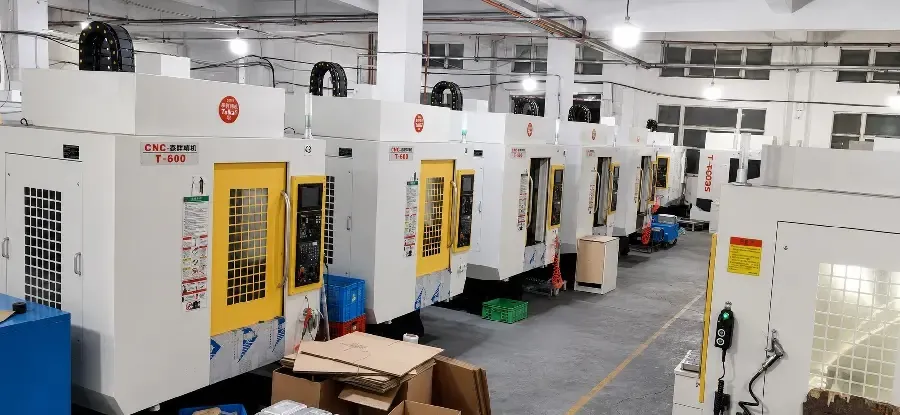
Die casting equipment
Huabo documents a 58T–800T die casting equipment range. Machine selection is reviewed from projected area, tool size, shot requirement, alloy and the process window needed by the drawing—not from part weight alone.
Review this capability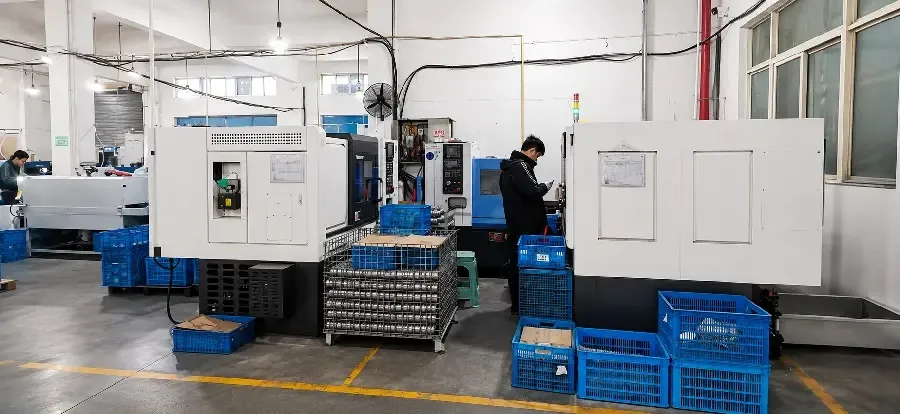
Tooling and CNC machining
Tool coordination, vertical machining centers and turning equipment support bores, faces, holes, threads and sealing interfaces after casting. Fixture datums and machining sequence are reviewed with the part function.
Review this capability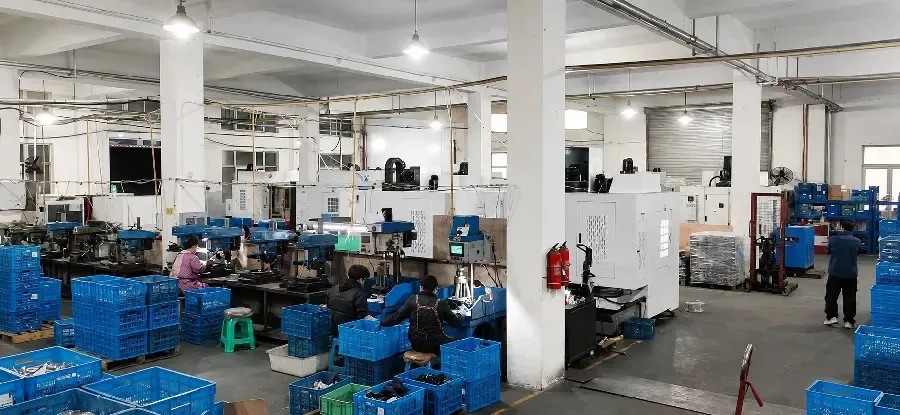
Inspection resources
Dimensional inspection stations, CMM capability and material-analysis resources support first-piece approval and repeat production control. The characteristic list and sampling plan remain drawing-specific.
Review this capabilityHow each component is evaluated
| Review area | Huabo engineering review | Project input required |
|---|---|---|
| Comparable geometry | Use the photographed component to identify similar walls, ribs, bosses, openings and machined interfaces. | Controlled 3D model, 2D drawing and revision status |
| Application and interfaces | Connect component function to likely datums, sealing, thermal, structural or cosmetic risks. | Assembly context, loads, exposure and regulatory requirements |
| Manufacturing controls | Define the tooling, casting, secondary-operation and inspection relationships that affect repeatability. | Alloy, annual volume, CTQs, finish and acceptance methods |
| Production approval | Prepare material, sample, dimensional, functional and appearance evidence as specified. | Required reports, sampling, packaging and release authority |
Choosing a starting point
Match the closest geometry, then send your own drawing.
Compare positioning plates, display frames, control enclosures, motor housings, gearbox cases, heat sinks, threaded zinc fittings and painted automotive components. The photographs help identify relevant geometry, while dimensions and performance requirements come from the controlled customer drawing.
Use the alloy groups when material is already fixed. Use the ADC12 and A380 group when machining, sealing faces or a named alloy are central to the RFQ. Use the automotive painting group when visible-surface performance is the main sourcing risk.
Include the closest Huabo component name or reference number with the inquiry. Engineering can then compare the new 3D model and 2D drawing with a relevant geometry while treating the revision, material, volume, finish and validation plan as a new manufacturing program.
Send the closest product example with your drawing.
Identify the comparable geometry, then provide alloy, annual volume, critical dimensions, finish and validation requirements.