
China zinc die casting factory
Custom Zinc Die Cast Parts
Nine compact zinc die cast frames, threaded fittings, caps, brackets and housings manufactured to customer drawings.
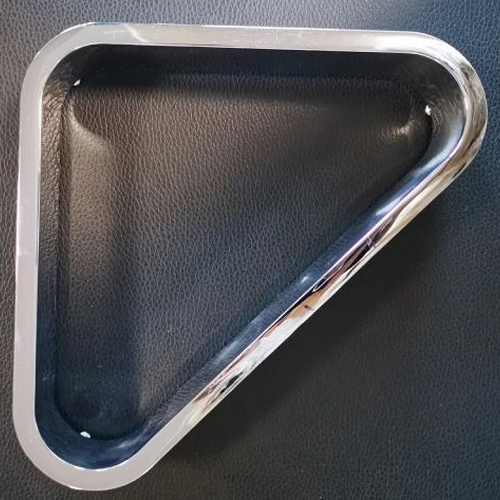 9 product examples
Product-family engineering
Zinc die casting for compact geometry, threads and detailed surfaces.
Custom zinc die casting is often selected for compact fittings, connectors, end caps, decorative frames and mounting hardware that combine fine edges, local bosses and a finished appearance. The material route can support detailed geometry, but thread production, flash control, plating allowance and the relationship between the thread and seating surface must be designed deliberately.
Huabo has produced threaded zinc couplings, male fittings, long connectors, frames, discs and mounting bases. Each component is drawing-based and requires its own dimensions, material, finish and acceptance criteria.
For international sourcing, the RFQ should name the zinc alloy standard, plating or coating system, corrosion or appearance requirement, thread designation, gauge stage and packaging protection. These decisions affect tooling, final dimensions and inspection cost.
Engineering decisions
Define the manufacturing system before approving the tool.
These decisions change tooling, process stability, downstream cost and the evidence required for production release.
| Decision | What to define | Why it matters |
|---|---|---|
| Thread route | Cast feature, cored-and-tapped or fully machined | Depends on direction, size, class, volume and tool complexity |
| Finish allowance | Plating/coating type and thickness | Functional threads and fits must be checked after final finish |
| Seating relationship | Thread axis, shoulder, gasket or mounting datum | A passing thread gauge alone may not prove assembly fit |
| Appearance standard | Visible zones, master sample and defect limits | Prevents subjective cosmetic acceptance at shipment |
Risks to resolve
Thread and coating interference
Electroplating or coating changes functional size. Define allowance, masking and whether the calibrated gauge is used before or after finishing.
Flash on compact features
Parting lines near threads, clips or cosmetic edges can impair assembly. Tool shutoff condition and trimming access require planned inspection.
Axis and seating error
A thread can pass its gauge while the shoulder or sealing face runs out. Control the complete fitting interface from a functional datum.
Cosmetic and packaging damage
Polished or plated parts can mark after production. Racking, handling and separators should protect customer-visible surfaces.
Factory evidence
Equipment and quality controls behind the product family.
Huabo’s documented factory resources are shown separately from drawing-specific tolerances, testing and acceptance limits.
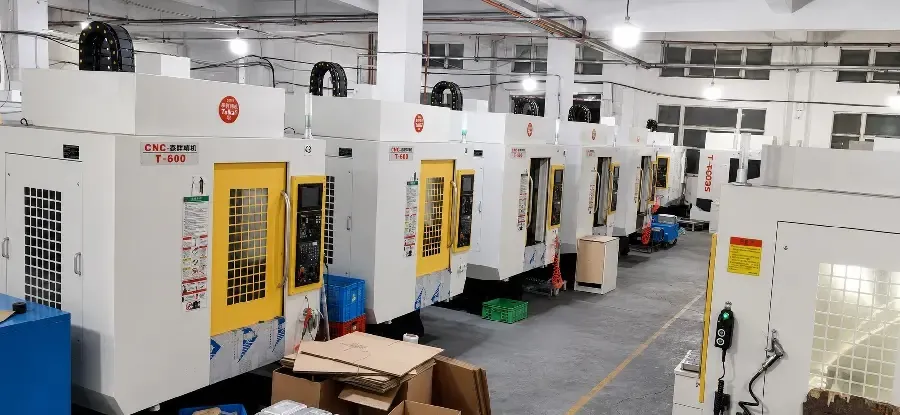
Die casting equipment
Huabo documents a 58T–800T die casting equipment range. Machine selection is reviewed from projected area, tool size, shot requirement, alloy and the process window needed by the drawing—not from part weight alone.
Review this capability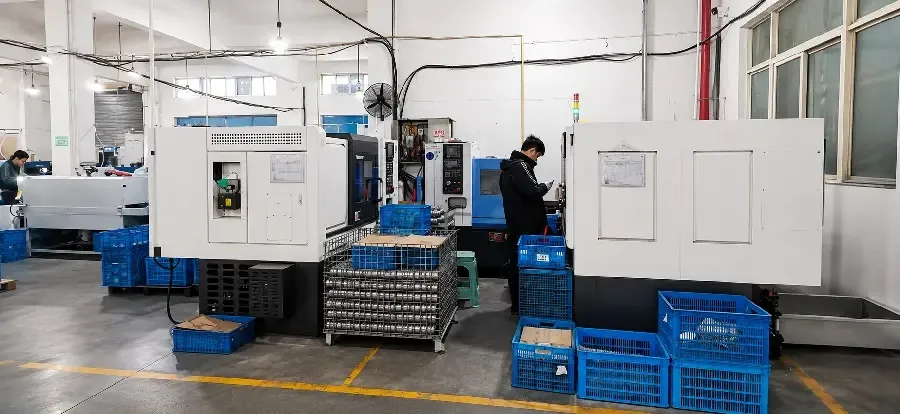
Tooling and CNC machining
Tool coordination, vertical machining centers and turning equipment support bores, faces, holes, threads and sealing interfaces after casting. Fixture datums and machining sequence are reviewed with the part function.
Review this capability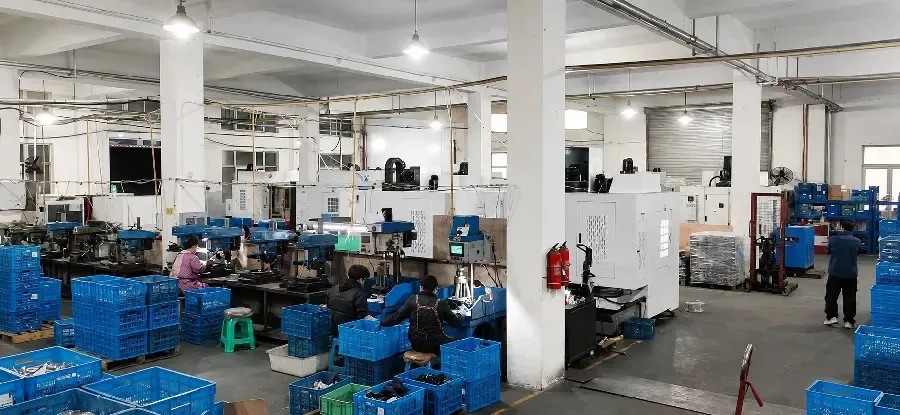
Inspection resources
Dimensional inspection stations, CMM capability and material-analysis resources support first-piece approval and repeat production control. The characteristic list and sampling plan remain drawing-specific.
Review this capabilityQuality planning and release evidence
| Control area | Huabo basis | Project-specific confirmation |
|---|---|---|
| Quality system | IATF 16949 | System-level control for automotive and repeat manufacturing programs |
| Material control | Alloy identification and project records | Certificate and restricted-substance requirements agreed in the RFQ |
| Dimensional approval | First-piece and drawing-based inspection | Datums, gauges, CMM program and report format selected by risk |
| Change control | Drawing, process and tooling revision | Customer approval requirements defined before production changes |
Controlled production route
From drawing review to repeat shipment.
The sequence keeps tooling, casting, secondary operations and inspection tied to the same functional datums and approved revision.
- Interface reviewDefine thread, seating face, mating component, finish and assembly test.
- Tool and slide reviewSelect parting, moving features, overflow and ejection locations around compact geometry.
- Casting trialCheck fill, flash, edge definition, distortion and trimming access.
- Thread and finish operationsMachine or clean required threads, apply finish and protect masked zones.
- Functional inspectionUse the agreed gauges and verify datum relationships, torque, seating or leakage when required.
- Protected shipmentSeparate visible or plated components and preserve lot identification.
For detailed quotation and process decisions, review thread design and inspection for zinc die cast parts, zinc die casting manufacturing capability, and surface finishing requirements for die cast parts.
Production examples
Real products in this family.
These compact zinc components show why threads, cosmetic edges, flash, plating allowance and fine internal features need part-specific production and inspection controls. Open each component for its own geometry, secondary operations, control points and adjacent engineering pages.
Zinc die castingZinc Die Cast Triangular Decorative Frame
Appliance trim, furniture hardware and visible equipment details.
Review product and process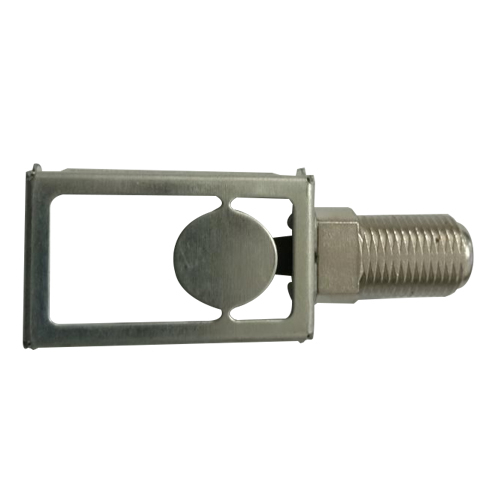 Zinc die casting
Zinc Die Cast Threaded Mounting Bracket
Compact mechanisms, appliance hardware and equipment mounting.
Review product and process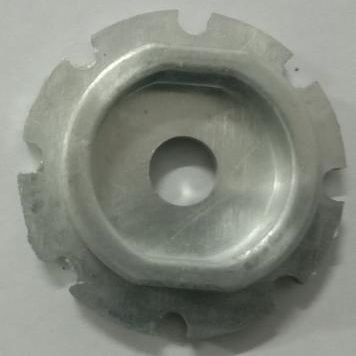 Zinc die casting
Zinc Die Cast Round End Cap
Handles, fixtures, fittings and decorative equipment closures.
Review product and process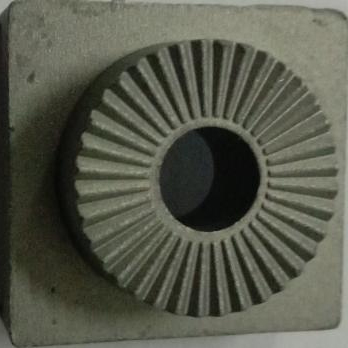 Zinc die casting
Zinc Die Cast Knurled Circular Disc
Adjustment knobs, locks and compact mechanical controls.
Review product and process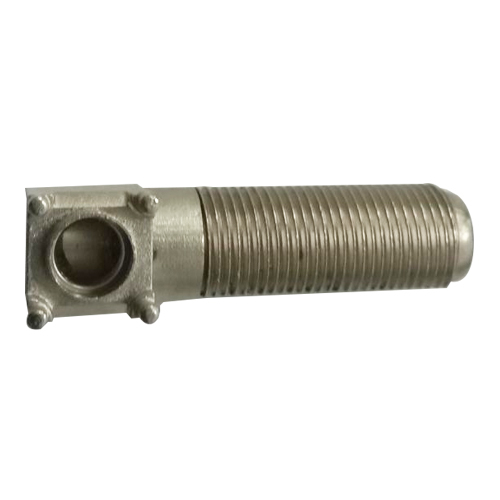 Zinc die casting
Zinc Die Cast Long Threaded Connector
Fittings, hardware and compact connection assemblies.
Review product and process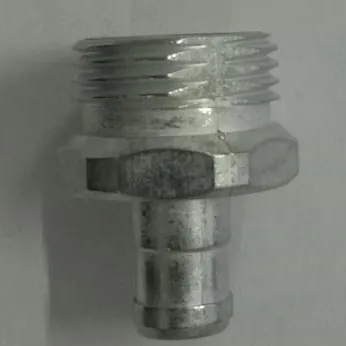 Zinc die casting
Zinc Die Cast Hex Male Thread Fitting
Fluid connections, appliance fittings and equipment interfaces.
Review product and process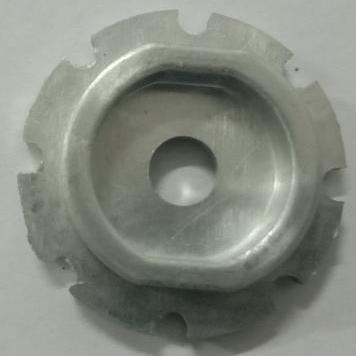 Zinc die casting
Zinc Die Cast Round Housing
Compact instruments, locks and small mechanical assemblies.
Review product and process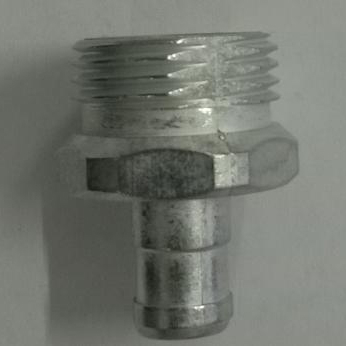 Zinc die casting
Zinc Die Cast Hex Threaded Coupling
Equipment fittings, plumbing hardware and appliance connections.
Review product and process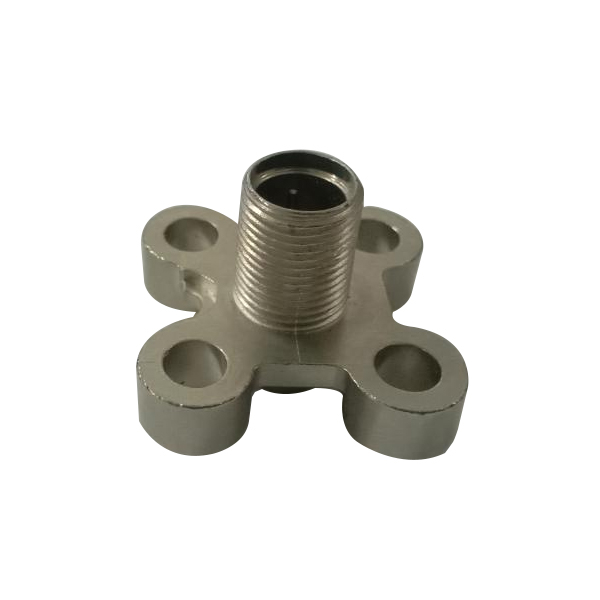 Zinc die casting
Zinc Die Cast Threaded Mounting Base
Fixtures, appliance components and compact equipment mounting.
Review product and processBuyer questions
Questions to resolve before quotation and mold manufacturing.
Answers below define a reliable starting point; the controlled customer drawing remains the final authority.
Can threads be formed directly in a zinc die casting?
Some can, but feasibility depends on direction, thread size, engagement, tolerance, moving-tool complexity and volume.
Should plated threads be checked after finishing?
Yes when the finish changes functional size. The drawing or control plan should name the final gauge stage.
What information is needed for a zinc fitting quotation?
Provide thread standard and class, mating or sealing method, alloy, annual volume, finish thickness, appearance zones and any torque or leak test.
Are the displayed zinc parts standard catalogue items?
No. They are custom manufacturing examples; supply is based on the customer drawing and approved sample.
Discuss a custom zinc die cast parts project.
Send the latest drawing and mark functional datums, appearance zones, machining features and inspection requirements.