
China communications housing manufacturer
Communications Equipment Die Castings
Display frames, ventilated panels and long ADC12 housings for communications and network equipment, with distortion, coating, EMI and connector-interface controls.
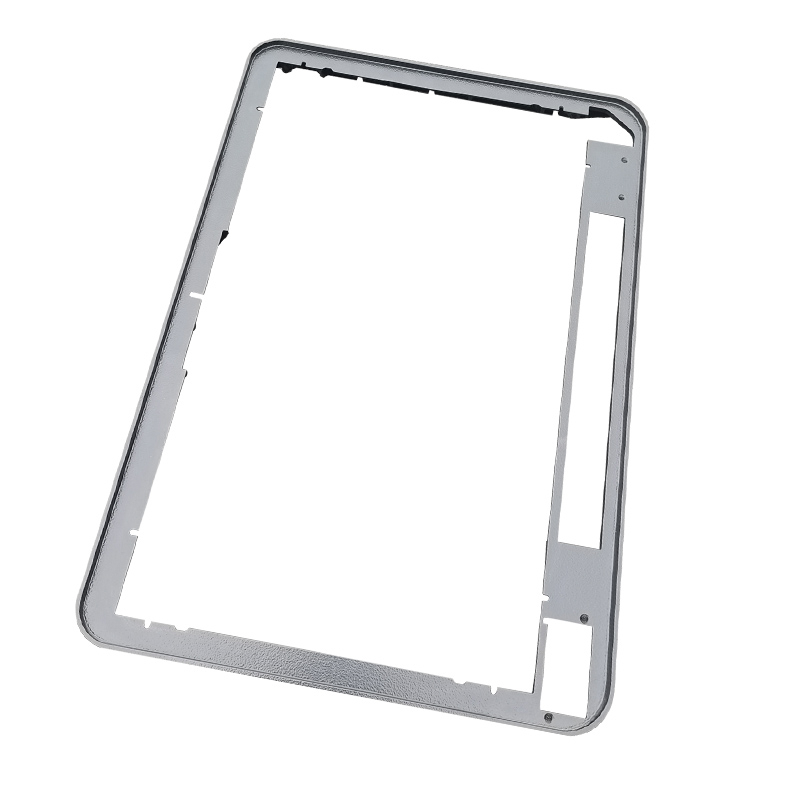 Representative production component
Industry engineering
Communications housings for thin-wall stability, ventilation and protected interfaces.
Communications equipment castings often use long housings, display frames, vented panels and multi-opening enclosures. The engineering challenge is keeping large thin geometry stable while protecting connector, shielding, mounting and visible surfaces.
Tool filling and ejection must be reviewed with grid direction, long flow paths and local ribs. Machining and coating then need datums and masking rules that preserve the enclosure interface.
| Requirement | Engineering definition | Manufacturing consequence |
|---|---|---|
| Long housing | Straightness, mounting datum and machined-end relationship | |
| Vent/grid panel | Complete feature fill, flatness and protected edges | |
| Connector interface | Hole position, local machining and masking | |
| Visible enclosure | Texture, color, gloss and packaging protection |
Failure risks
Control what can fail in the assembly—not only what is easy to measure.
These application-specific risks guide the tool review, datum strategy, secondary operations and validation plan.
Long-flow incomplete fill
Review gate direction, remote vents and overflow positions.
Panel twist
Balance ribs, ejection, cooling and fixture support.
Connector mismatch
Control machined openings and mounting holes from the assembly datums.
Finish inconsistency
Approve representative cast samples and visible-zone criteria.
Manufacturing route
Connect field requirements to each production decision.
The route is reviewed from the real assembly and drawing before a comparable product image is selected.
- Define the assemblyDocument load, sealing, thermal, motion, appearance and environmental conditions.
- Develop the casting routeSelect material basis, parting, slides, gate, venting, ejection and critical tool surfaces.
- Plan secondary operationsTie machining, finish, masking and handling to the functional datum structure.
- Release evidenceApprove dimensions, material, appearance and functional results required by the project.
Use the following pages to resolve the highest-risk decisions: ADC12 machined and coated product family, surface finishing capability, and die casting porosity control guide.
Quality and validation
Evidence must match the component function.
Huabo’s IATF 16949 quality system and inspection resources provide the factory framework. The characteristic list, sample frequency, test method and acceptance limit are confirmed from the controlled drawing and customer specification.
Equipment capability is not used as a substitute for a product-specific approval plan. The required evidence is selected from the risks below and retained with the agreed traceability level.
For Communications Equipment Die Castings, the approval package should connect each high-risk interface to a drawing characteristic, process control or functional test. Material identity, first-piece results, appearance approval, change status and packaging evidence then remain traceable to the same revision and production lot. For exported repeat supply, the same records should identify the approved revision, shipment batch and any authorized process change.
- Envelope and straightness check
- Connector and hole-pattern measurement
- Vent/grid visual standard
- Finish and protected-interface verification
Application risk-to-evidence matrix
| Application risk | What the buyer defines | What the production release must prove |
|---|---|---|
| Large thin-wall distortion | Define the affected assembly interface, operating condition, datum or appearance zone in the communications equipment die castings drawing package. | Agree the manufacturing prevention, measurement or functional test, acceptance limit, sample frequency and retained record before production release. |
| Vent and grid feature fill | Define the affected assembly interface, operating condition, datum or appearance zone in the communications equipment die castings drawing package. | Agree the manufacturing prevention, measurement or functional test, acceptance limit, sample frequency and retained record before production release. |
| EMI or enclosure interface requirements | Define the affected assembly interface, operating condition, datum or appearance zone in the communications equipment die castings drawing package. | Agree the manufacturing prevention, measurement or functional test, acceptance limit, sample frequency and retained record before production release. |
| Coating, masking and visible surfaces | Define the affected assembly interface, operating condition, datum or appearance zone in the communications equipment die castings drawing package. | Agree the manufacturing prevention, measurement or functional test, acceptance limit, sample frequency and retained record before production release. |
Buyer questions
Questions that change the technical and commercial scope.
Resolve these points before comparing tooling, part price or lead time.
Why are long communications housings prone to distortion?
Long flow paths, thin walls, ribs, uneven cooling and ejection can move the part; the tool and fixture strategy must be reviewed together.
How should vented panels be specified?
Define envelope, grid completeness, edge damage, flatness, visible zones and the mounting relationship rather than only nominal opening size.
Can coating be selected after tooling?
It is safer to define it earlier because masking, film build, cosmetic standards and handling can change tool marks, dimensions and operation order.
Matching production examples
Components connected to this application after the technical review.
Compare the geometry, manufacturing route and control priorities of each Huabo component, then use the current project drawing to confirm material, dimensions and validation requirements.
Aluminum die castingAluminum Die Cast Display Panel Frame
Communications equipment, instruments and electronic display assemblies.
Review product and process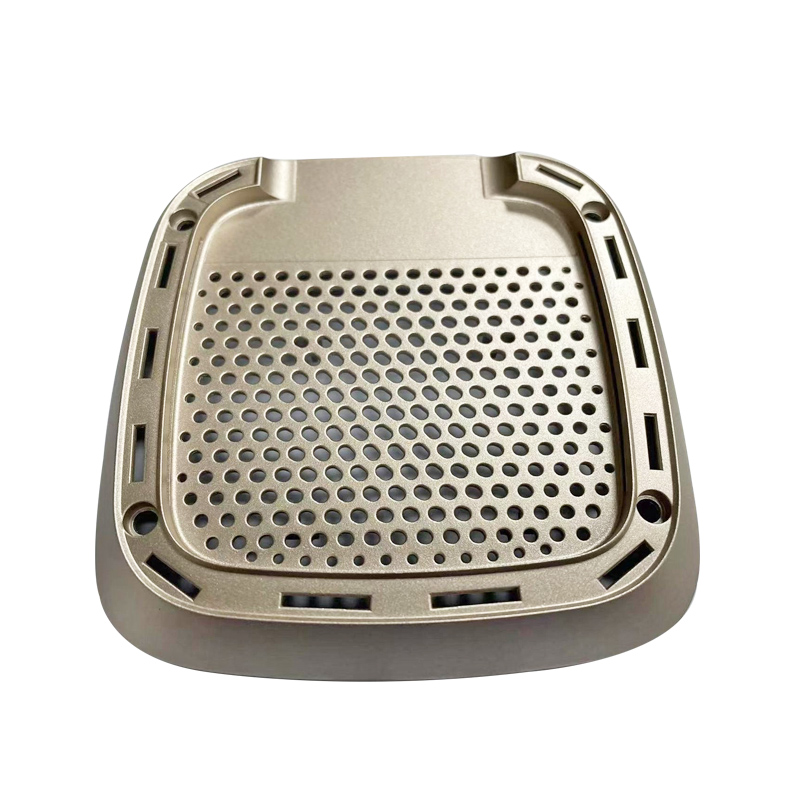 Aluminum die casting
ADC12 Perforated Aluminum Panel with Sandblasting and Coating
Ventilated electronics and communications equipment panels.
Review product and process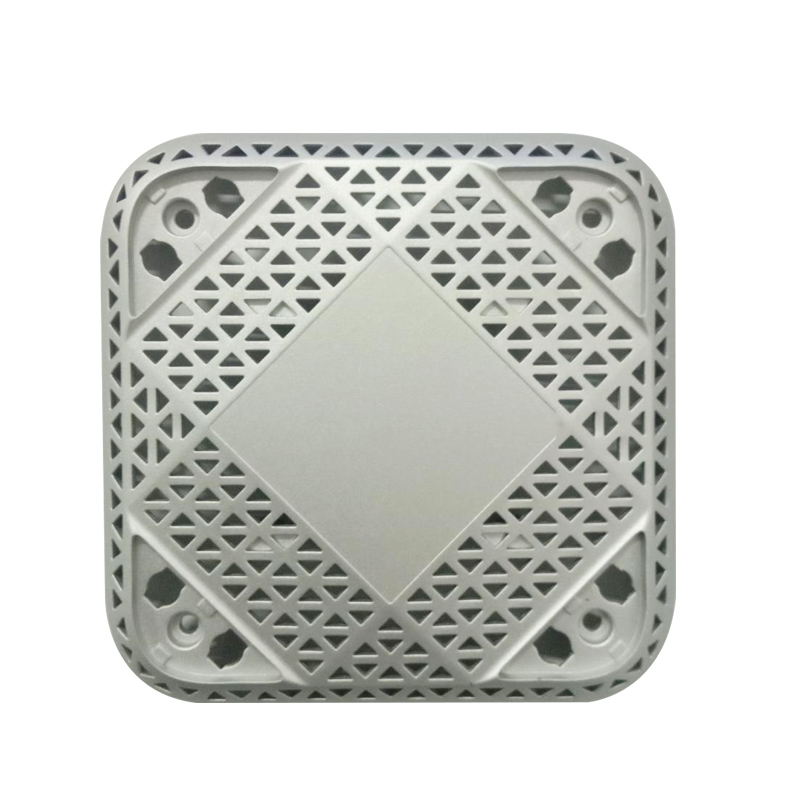 Aluminum die casting
ADC12 Grid Panel with Sandblasting and Coating
Equipment ventilation, electronics protection and communications enclosures.
Review product and process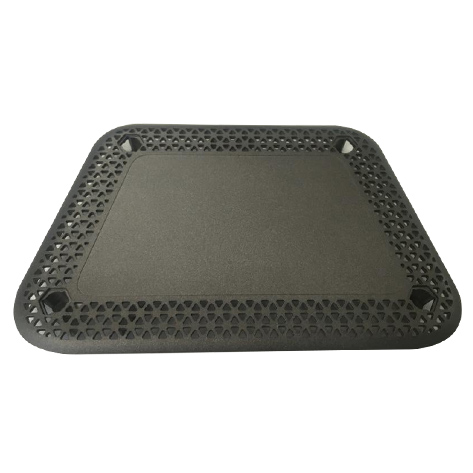 Aluminum die casting
ADC12 Square Ventilation Panel with Coating
Electrical cabinets, communications hardware and equipment ventilation.
Review product and process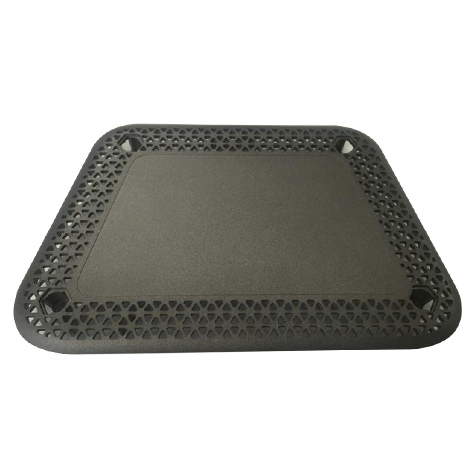 Aluminum die casting
ADC12 Square Mesh Housing with Sandblasting and Coating
Electronics, communications and ventilated control modules.
Review product and process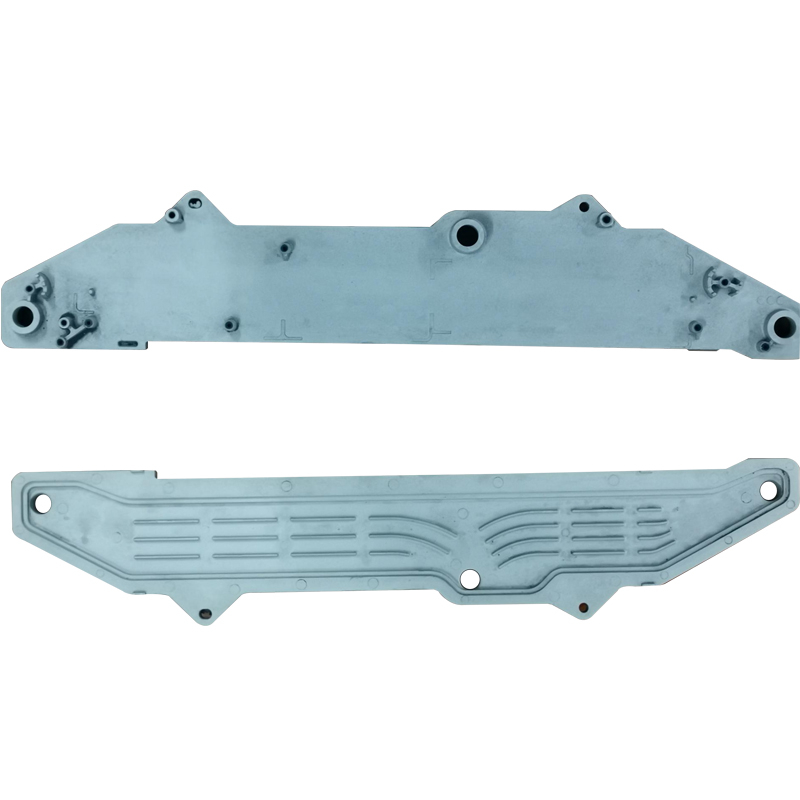 Aluminum die casting
CNC Machined ADC12 Long Housing
Linear drives, communications equipment and elongated industrial modules.
Review product and processRelated engineering knowledge
Continue from application risk to the responsible manufacturing process.
Use the guidance below to resolve the next material, tooling, casting, machining, finishing, inspection or RFQ decision for this application.
Continue with ADC12 machined and coated product family, surface finishing capability, and die casting porosity control guide.
Request an engineering review for Communications Equipment Die Castings.
Send the assembly context, controlled drawing, annual demand, finish and required validation records.