
China aluminum die casting manufacturer
Custom Aluminum Die Cast Parts
Twenty drawing-based aluminum die cast housings, panels, brackets, heat sinks and structural components manufactured for customer-specific applications.
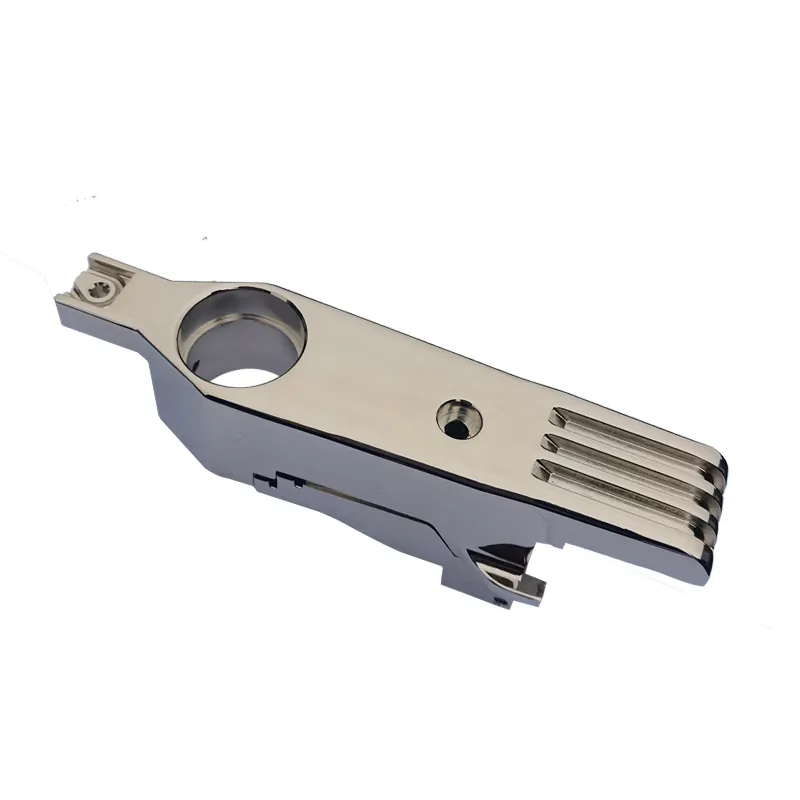 20 product examples
Product-family engineering
Aluminum die casting planned from function, geometry and repeat volume.
Aluminum high-pressure die casting is suited to repeat production of housings, covers, brackets, motor bodies, panels and heat-management components when several functions must be consolidated into one shape. The sourcing decision is not simply “cast or machine”: wall transitions, ribs, bosses, draft, parting line, ejection, machining stock and finish must work as one production system.
Huabo reviews each custom aluminum die casting from the customer model and drawing. The engineering discussion should identify assembly datums, sealing or bearing interfaces, visible zones, thermal surfaces and features that cannot accept gate, overflow or ejector marks. These inputs control tool layout and the downstream fixture plan.
Huabo production examples include long plates, control panels, cylindrical housings, motor housings, gearbox cases and finned structures. The photographs help identify comparable geometry; alloy, dimensions, tolerances and validation requirements remain governed by the customer specification.
Engineering decisions
Define the manufacturing system before approving the tool.
These decisions change tooling, process stability, downstream cost and the evidence required for production release.
| Decision | What to define | Why it matters |
|---|---|---|
| Alloy selection | Drawing standard, service exposure, machining and finish | Do not approve a material only from a commercial alloy name |
| Tool concept | Parting, slides, gates, overflows, vents and ejection | Controls filling, trimming access, appearance and maintenance |
| Machining scope | Datums, local stock, bores, faces, threads and sealing zones | Prevents unnecessary machining and datum-transfer error |
| Approval evidence | First-piece dimensions, material records and functional tests | Connects tool trial results to repeat production release |
Risks to resolve
Thin-wall filling
Long flow paths, abrupt thickness changes and remote ribs can create cold shut or incomplete features. Review gate direction, overflow location and local thermal balance before tool release.
Porosity at machined zones
A sealing face, bearing seat or deep bore can open subsurface porosity. Overlay machining depth and critical zones on the casting review instead of using a vague “no porosity” note.
Distortion and datum stability
Wide panels, long housings and thin covers may move after ejection or unclamping. Tool cooling, ejection, straightening policy and fixture support require a single datum strategy.
Finish compatibility
Blasting, painting, powder coating and anodizing react differently with cast alloy and surface condition. Visible zones, masking and acceptance samples must be defined before production.
Factory evidence
Equipment and quality controls behind the product family.
Huabo’s documented factory resources are shown separately from drawing-specific tolerances, testing and acceptance limits.
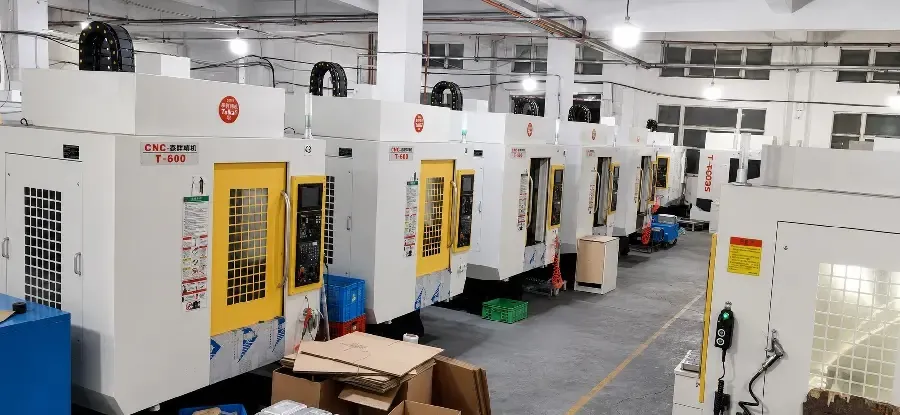
Die casting equipment
Huabo documents a 58T–800T die casting equipment range. Machine selection is reviewed from projected area, tool size, shot requirement, alloy and the process window needed by the drawing—not from part weight alone.
Review this capability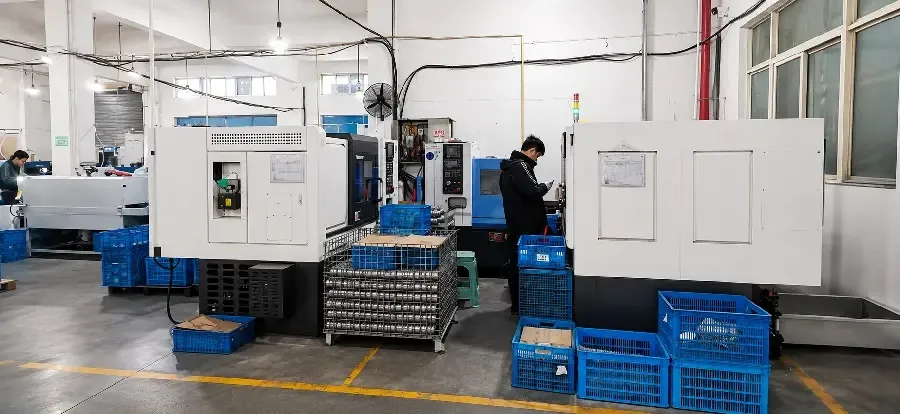
Tooling and CNC machining
Tool coordination, vertical machining centers and turning equipment support bores, faces, holes, threads and sealing interfaces after casting. Fixture datums and machining sequence are reviewed with the part function.
Review this capability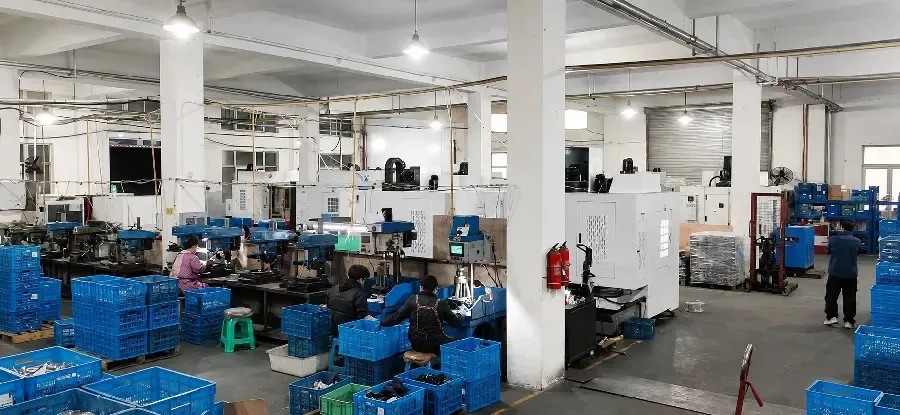
Inspection resources
Dimensional inspection stations, CMM capability and material-analysis resources support first-piece approval and repeat production control. The characteristic list and sampling plan remain drawing-specific.
Review this capabilityQuality planning and release evidence
| Control area | Huabo basis | Project-specific confirmation |
|---|---|---|
| Quality system | IATF 16949 | System-level control for automotive and repeat manufacturing programs |
| Material control | Alloy identification and project records | Certificate and restricted-substance requirements agreed in the RFQ |
| Dimensional approval | First-piece and drawing-based inspection | Datums, gauges, CMM program and report format selected by risk |
| Change control | Drawing, process and tooling revision | Customer approval requirements defined before production changes |
Controlled production route
From drawing review to repeat shipment.
The sequence keeps tooling, casting, secondary operations and inspection tied to the same functional datums and approved revision.
- Drawing and DFM reviewConfirm alloy system, annual demand, wall transitions, draft, parting, slides, machining interfaces and acceptance criteria.
- Tooling layoutPlan cavity, gate, overflow, vent, cooling and ejection around functional and visible surfaces.
- Trial and correctionEvaluate filling, flash, distortion, trimming, surface condition and the stability of locating features.
- Secondary operationsMachine only the required interfaces, then deburr, clean and apply the approved surface route.
- First-piece approvalMeasure from the drawing datum frame and complete the specified material, appearance or functional evidence.
- Repeat productionControl process settings, tool condition, fixtures, gauges, traceability and protected packaging.
For detailed quotation and process decisions, review how porosity should be controlled in die cast parts, how to define a complete die casting RFQ, and aluminum die casting tooling and process capability.
Production examples
Real products in this family.
These products cover thin display frames, deep housings, ribbed gearbox cases, cylindrical motor bodies and heat-dissipation structures. Each geometry requires its own gate, overflow, ejection, machining and inspection plan. Open each component for its own geometry, secondary operations, control points and adjacent engineering pages.
Aluminum die castingPrecision Aluminum Die Cast Positioning Plate
Industrial automation fixture and equipment alignment.
Review product and process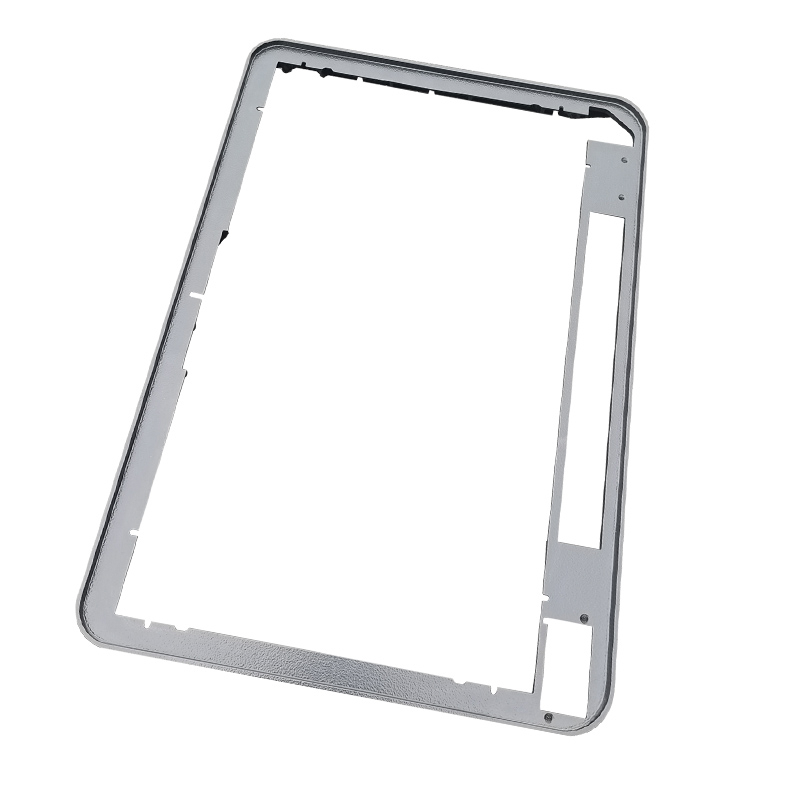 Aluminum die casting
Aluminum Die Cast Equipment Display Bezel
Operator panels, displays and industrial control equipment.
Review product and process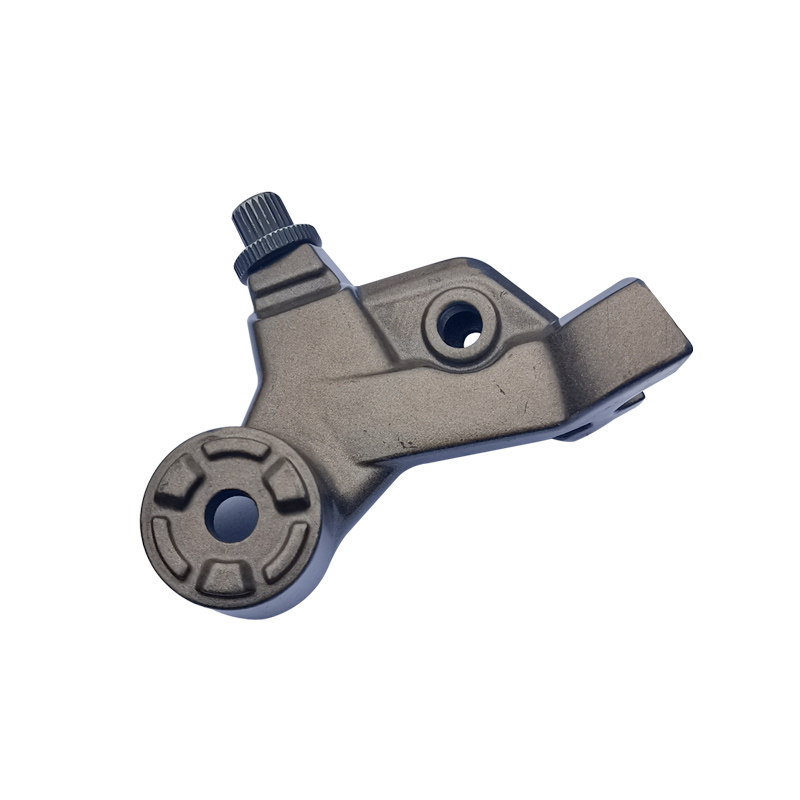 Aluminum die casting
Aluminum Die Cast Angle Adjustment Bracket
Adjustable machinery, instruments and positioning assemblies.
Review product and process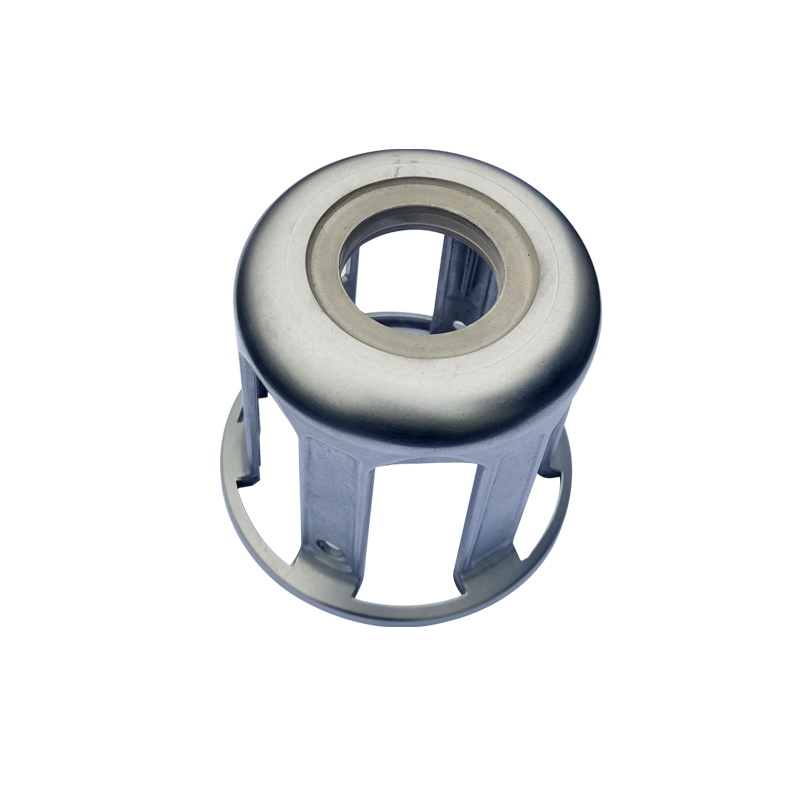 Aluminum die casting
Cylindrical Aluminum Die Cast Support Base
Equipment columns, sensor supports and cylindrical component mounting.
Review product and process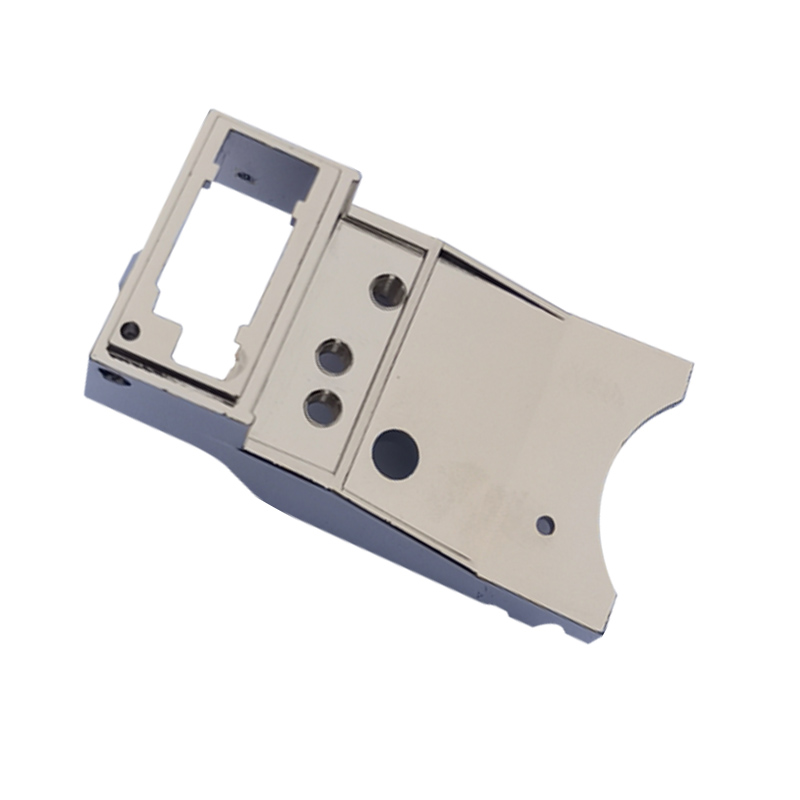 Aluminum die casting
Aluminum Die Cast Control Panel
Industrial controls, electrical equipment and user-interface assemblies.
Review product and process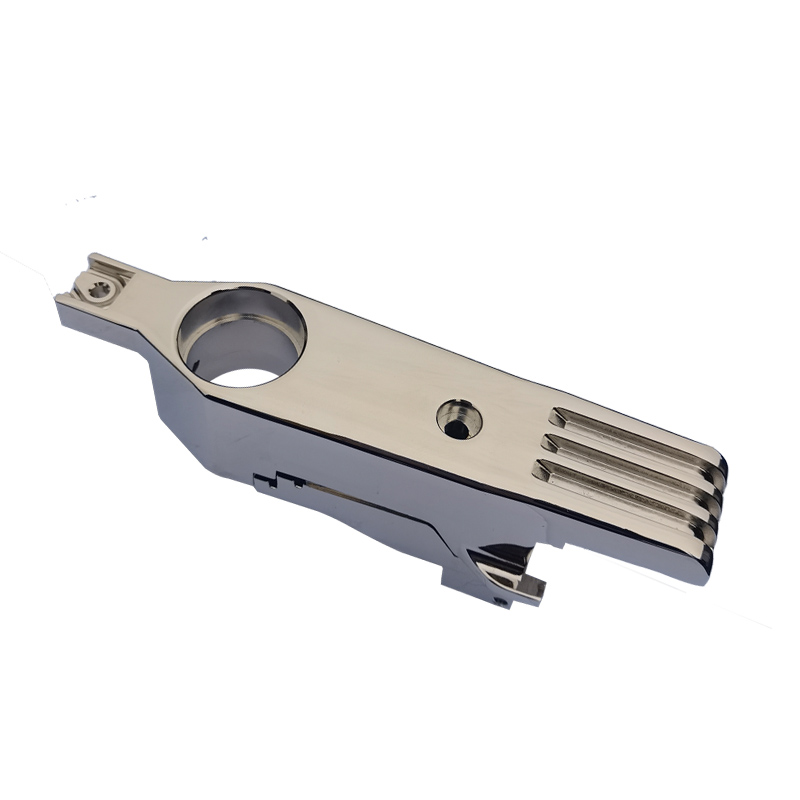 Aluminum die casting
Aluminum Die Cast Shaft-Hole Mounting Plate
Motor, drive and machinery shaft support assemblies.
Review product and process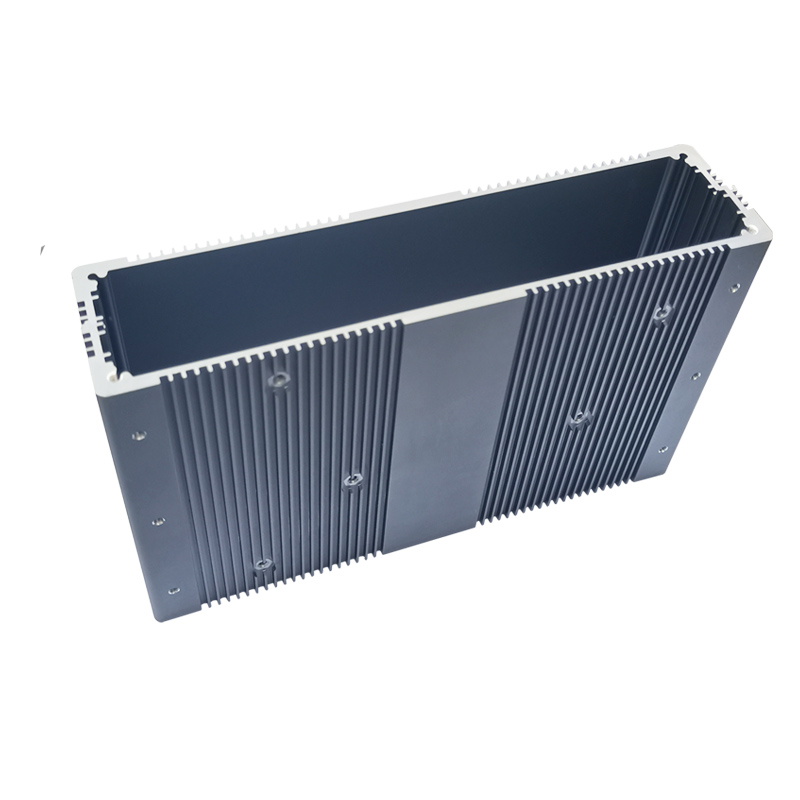 Aluminum die casting
Aluminum Die Cast Finned Electrical Enclosure
Power electronics, industrial controls and outdoor electrical equipment.
Review product and process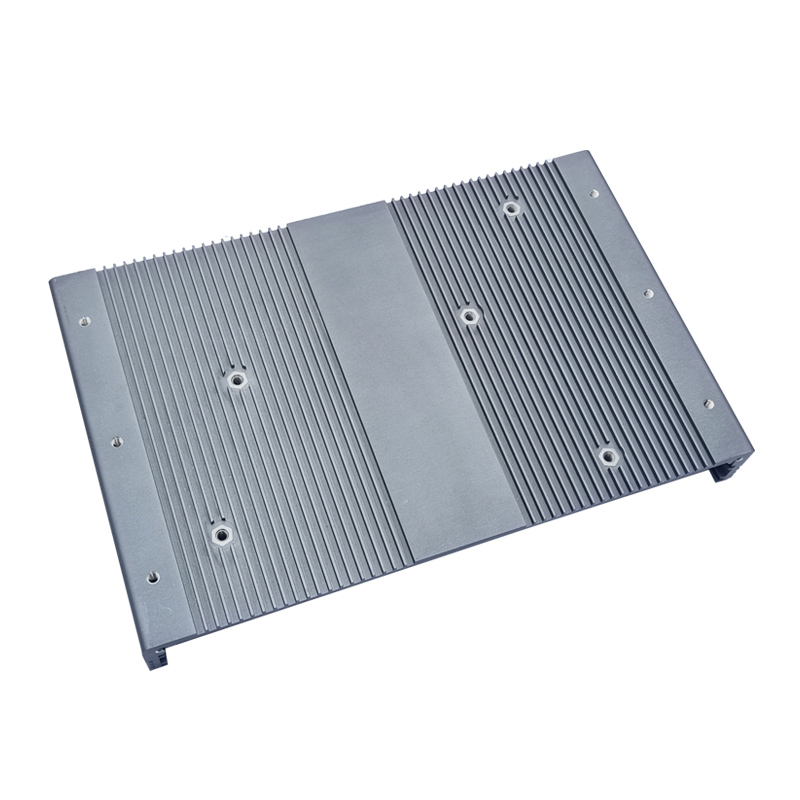 Aluminum die casting
Aluminum Die Cast Heat Sink Cover
LED drivers, power modules and industrial thermal-management assemblies.
Review product and process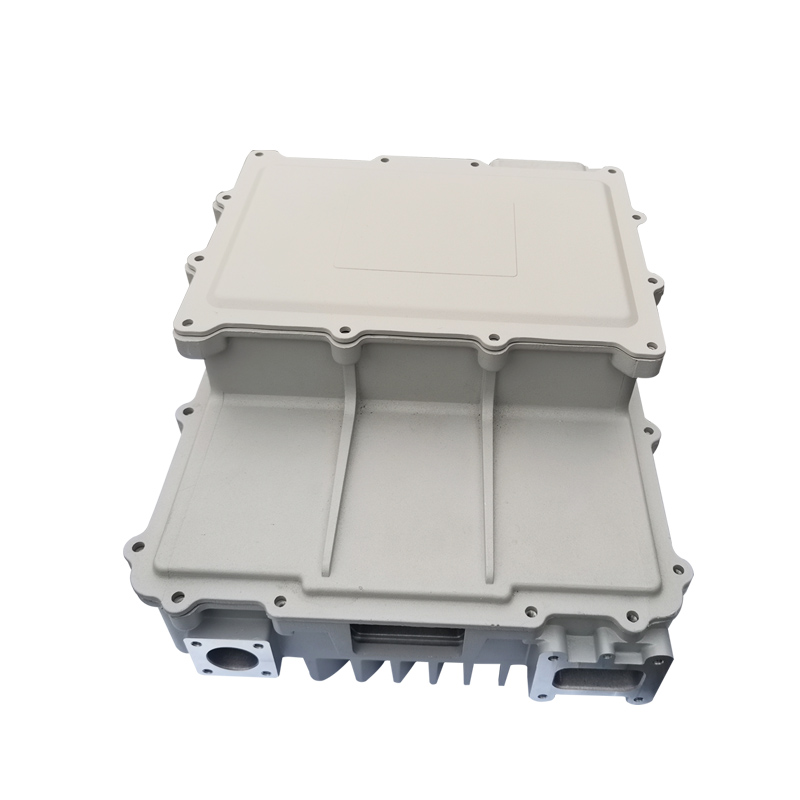 Aluminum die casting
Sealed Aluminum Die Cast Control Enclosure
Industrial electronics, control modules and protected electrical assemblies.
Review product and process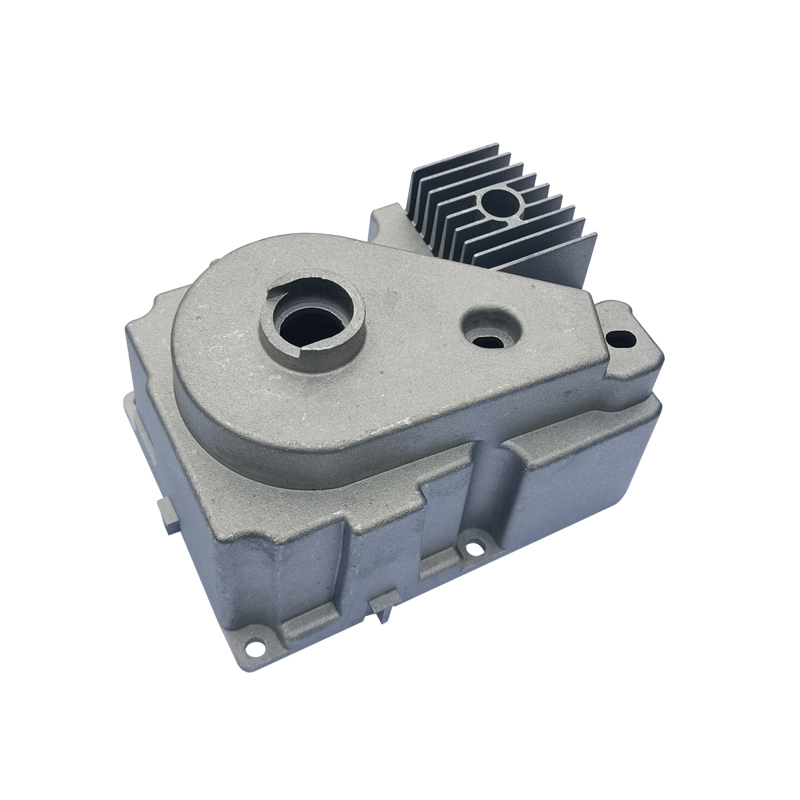 Aluminum die casting
Aluminum Die Cast Gear Reducer Housing
Gear reducers, transmissions and industrial drive assemblies.
Review product and process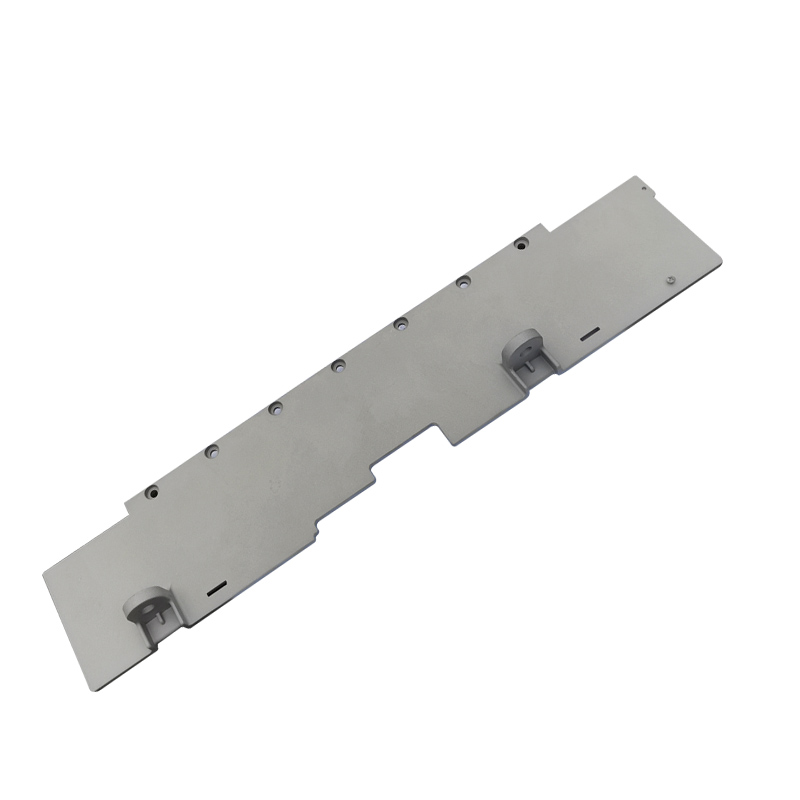 Aluminum die casting
Long Aluminum Die Cast Mounting Base
Linear equipment, automation modules and structural mounting assemblies.
Review product and process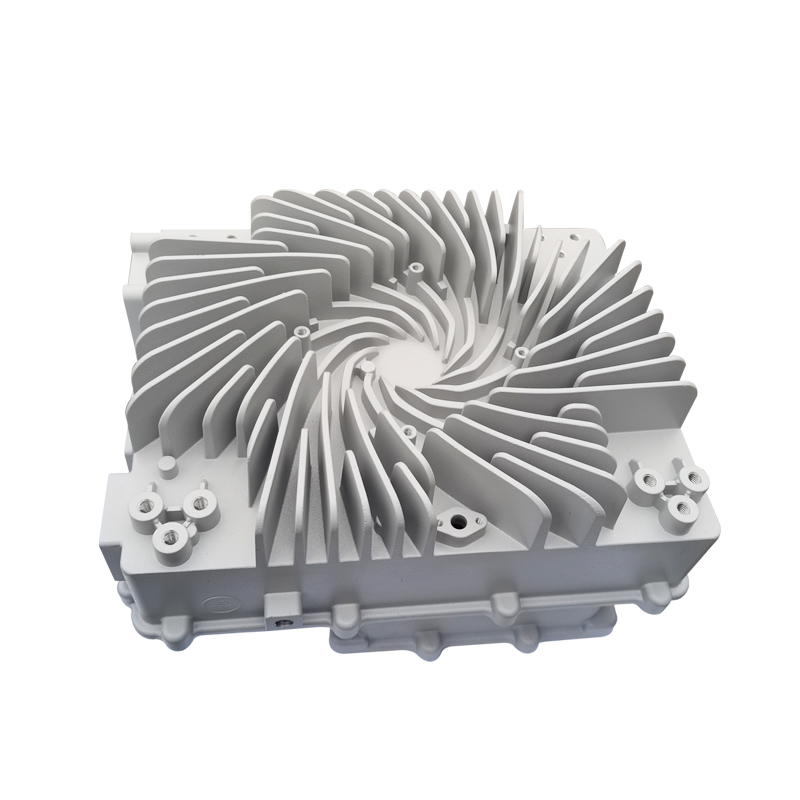 Aluminum die casting
Spiral Aluminum Die Cast Heat Sink Housing
Lighting, power electronics and compact thermal-management modules.
Review product and process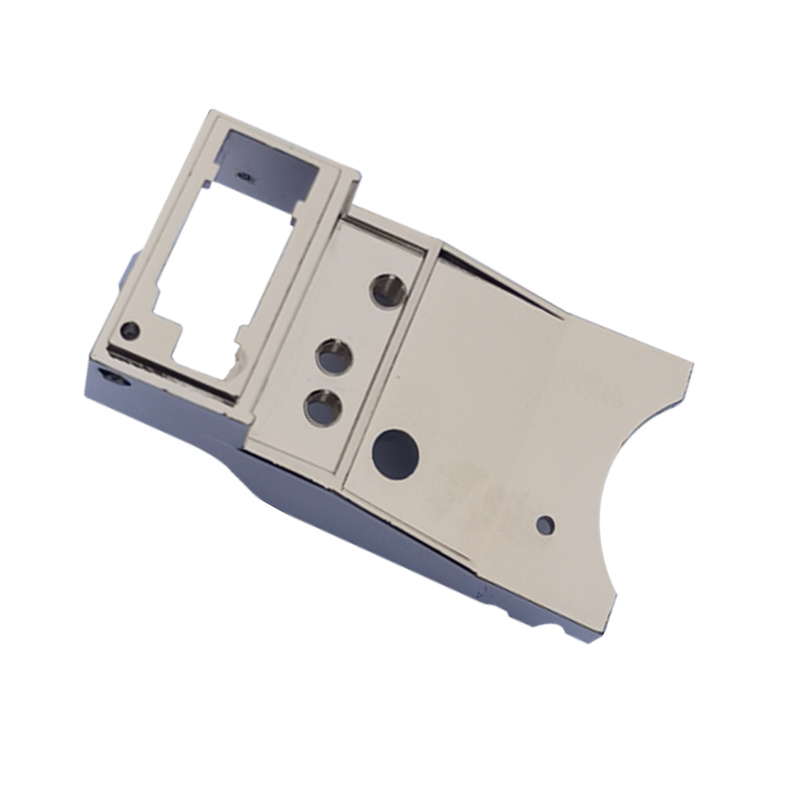 Aluminum die casting
Aluminum Die Cast Instrument Panel
Industrial instruments, meters and control displays.
Review product and process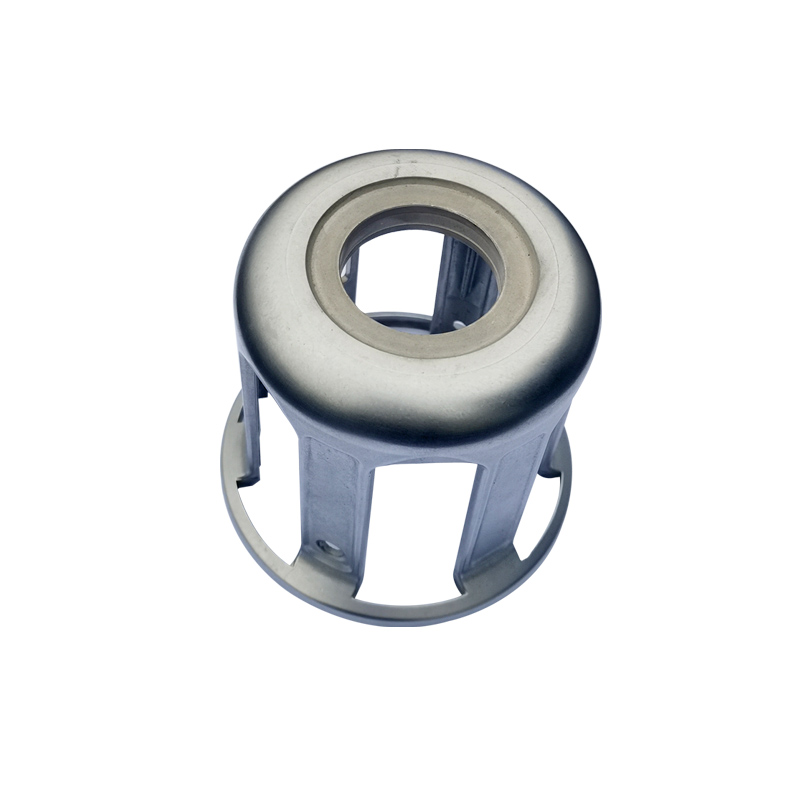 Aluminum die casting
Cylindrical Aluminum Die Cast Locating Base
Sensors, actuators and industrial positioning equipment.
Review product and process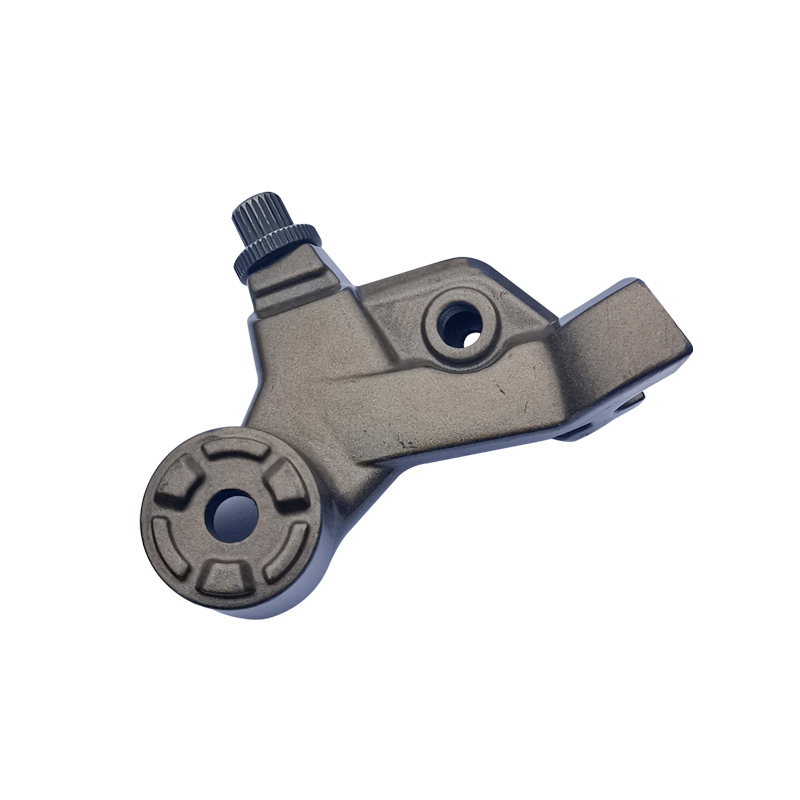 Aluminum die casting
Aluminum Die Cast Adjustable Support Bracket
Machine adjustment mechanisms and instrument mounting assemblies.
Review product and process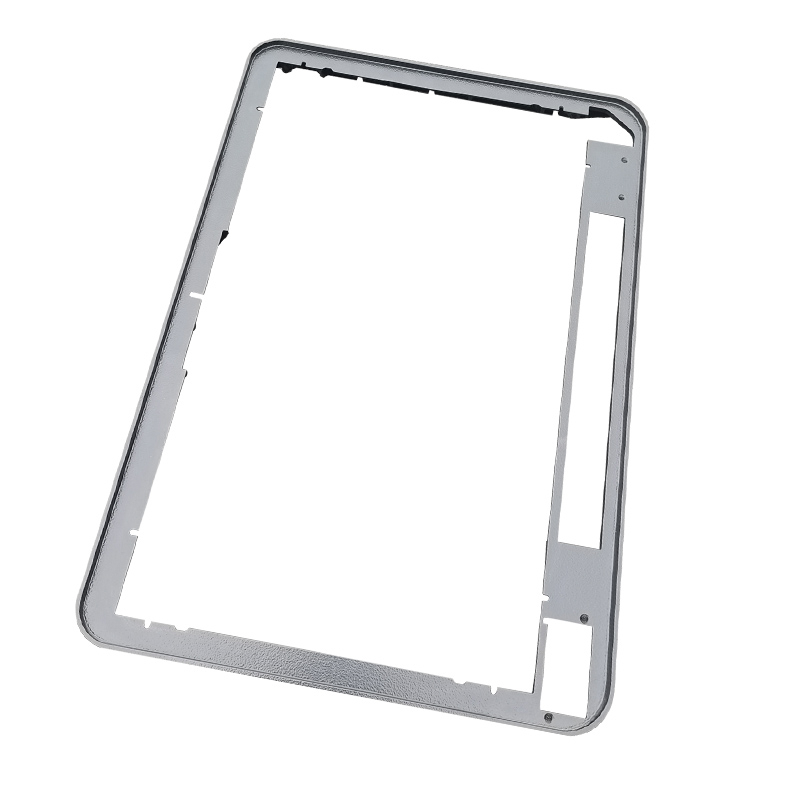 Aluminum die casting
Aluminum Die Cast Display Panel Frame
Communications equipment, instruments and electronic display assemblies.
Review product and process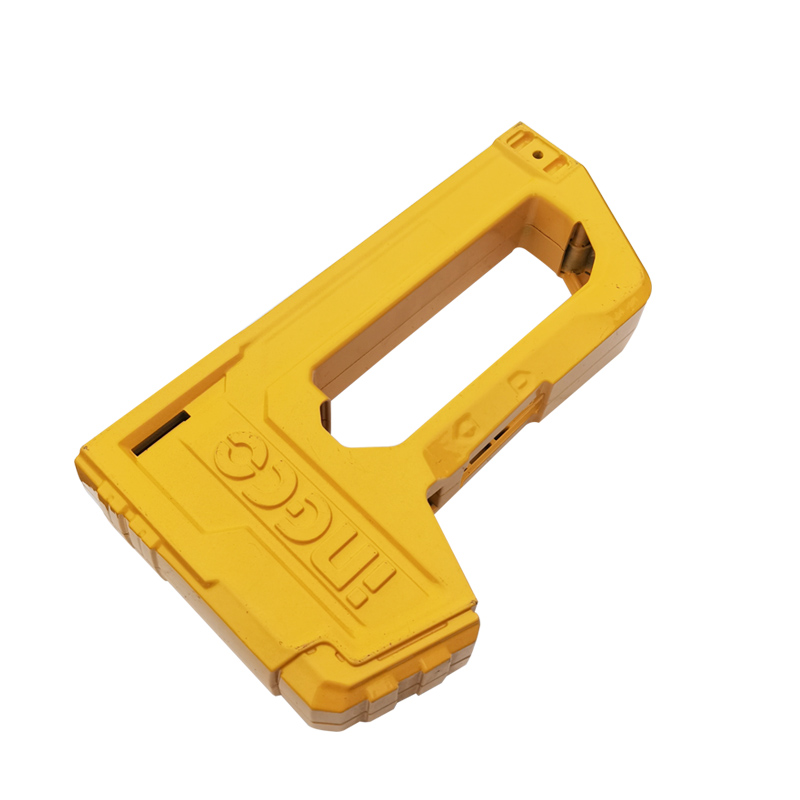 Aluminum die casting
Custom-Shaped Aluminum Equipment Housing
Special-purpose machinery and non-standard industrial assemblies.
Review product and process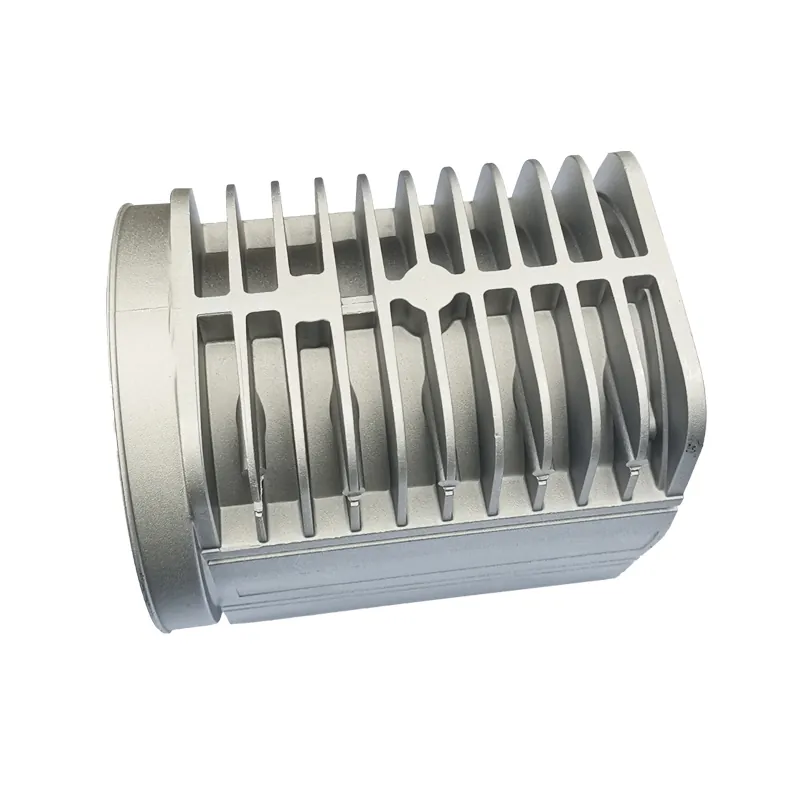 Aluminum die casting
Finned Aluminum Die Cast Motor Housing
Electric motors, drives and fan assemblies.
Review product and process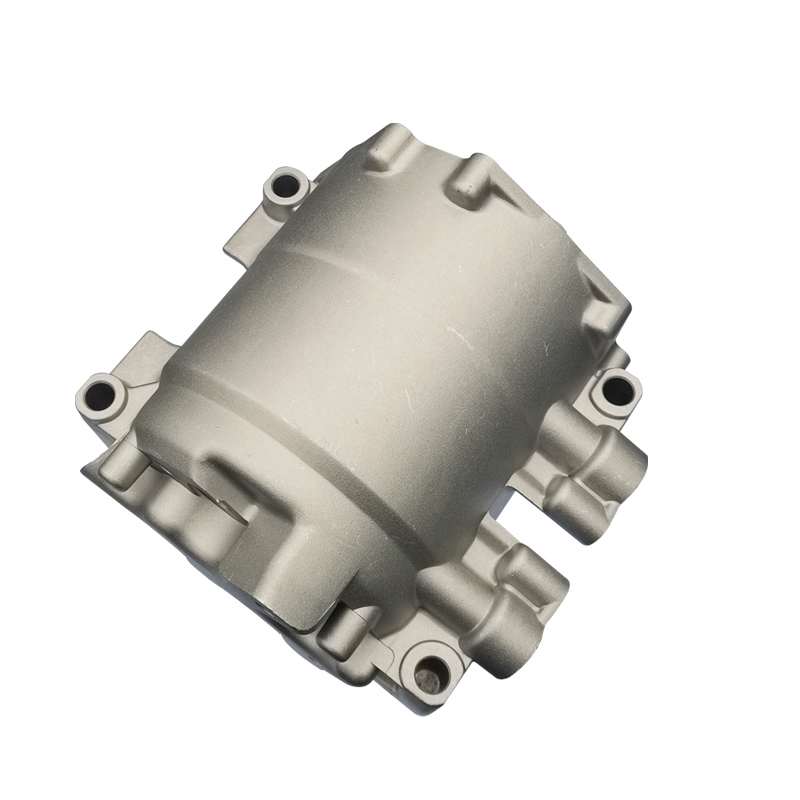 Aluminum die casting
Cylindrical Aluminum Die Cast Equipment Housing
Motors, actuators and cylindrical industrial modules.
Review product and process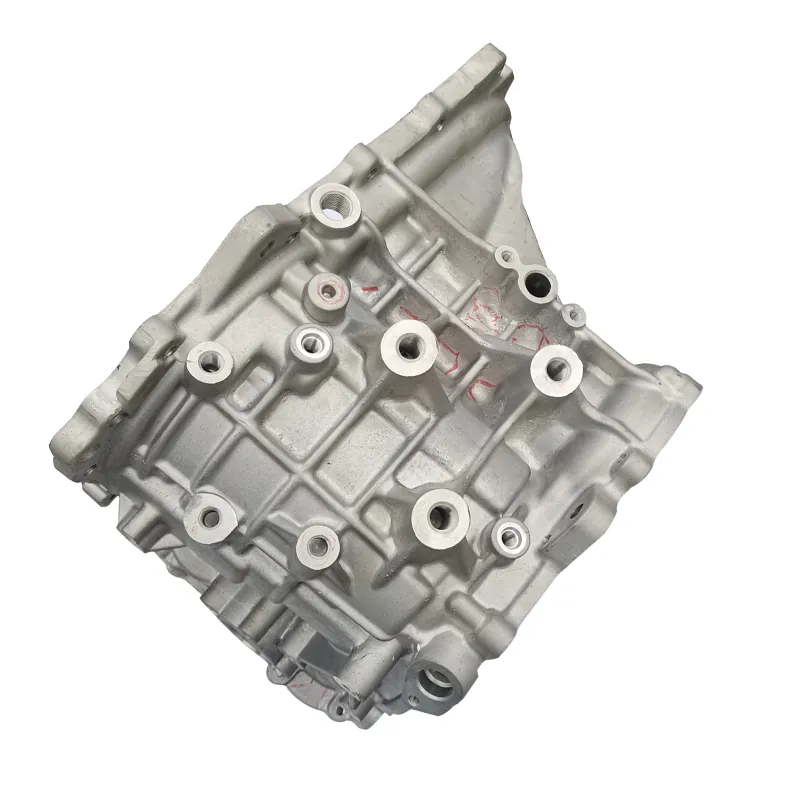 Aluminum die casting
Aluminum Die Cast Gearbox Housing
Automotive and industrial gearbox assemblies.
Review product and processBuyer questions
Questions to resolve before quotation and mold manufacturing.
Answers below define a reliable starting point; the controlled customer drawing remains the final authority.
Which aluminum alloy should be specified?
Use the customer or industry material standard. ADC12, A380 and other die casting alloys are not automatically interchangeable; geometry, machining, corrosion and finish need review.
Can Huabo quote from a 3D model only?
A model supports an early manufacturability review, but a controlled 2D drawing is needed for datums, tolerances, notes, finish and revision authority.
When should an aluminum casting be CNC machined?
Machine interfaces whose function cannot be held or verified reliably as cast, such as selected bores, sealing faces, threads or tight mounting relationships.
How should porosity be specified?
Identify the functional consequence and critical zone, then state a measurable leakage, machining, structural or cosmetic acceptance method.
Discuss a custom aluminum die cast parts project.
Send the latest drawing and mark functional datums, appearance zones, machining features and inspection requirements.