
Quick answer
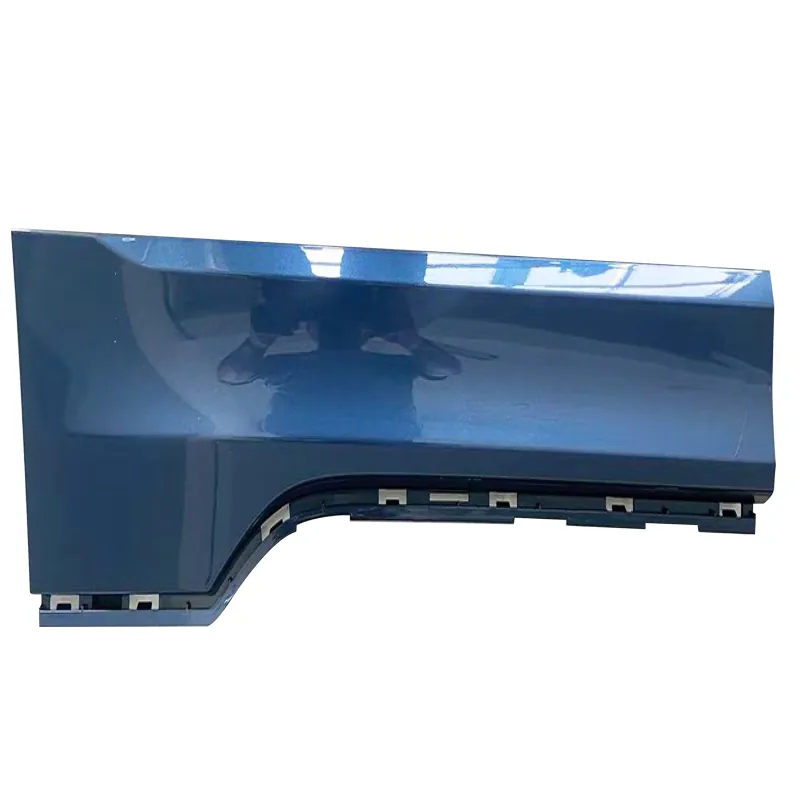
Automotive paint quality begins with the casting substrate and pretreatment. Define visible zones, approved color/gloss/texture, masking and film allowance; validate cure, adhesion and corrosion with named methods; then protect the finished surface through handling and packaging. A paint code alone does not define acceptance.
- Buyer decision
- How will the finished part be accepted?
- Use this when
- Painted castings have visible or masked zones
- Expected output
- Appearance, process and packaging controls
Define pretreatment, masking, film thickness, color, gloss, adhesion, cosmetic limits and packaging for painted automotive die cast components.
Terms used in this guide
For this automotive appearance control, the following terms keep drawing, quotation and supplier-review language consistent. The controlled project specification remains authoritative.
Appearance zone
A drawing-defined area with specified visual significance and inspection conditions.
Fish-eye/crater
A localized coating defect often associated with contamination, wetting or outgassing.
Film build
The coating thickness added to the substrate, which can alter fits and threads.
Golden sample
An approved representative part used with numerical criteria to judge overall appearance.
Decision summary
The decisions below establish the technical basis for automotive appearance control before price or lead time is compared.
| Decision | What to define | Why it matters |
|---|---|---|
| Substrate | Casting skin + machining + contamination | Finish quality begins before pretreatment |
| Appearance | Zone + lighting + distance + master | Color alone is not a complete acceptance rule |
| Function | Mask + film allowance | Threads, seals, bonds and fits need protection |
| Release | Process + inspection + packaging | A good part can still be damaged after coating |
Start with substrate condition
Casting skin, trimming marks, machining, oils and handling contamination affect coating appearance and adhesion. Define which defects may be repaired and which surfaces must remain untouched.
Pretreatment must suit the alloy, coating system and corrosion exposure. Process compatibility should be confirmed before a cosmetic master sample is approved.

Use an appearance specification
State color standard, gloss, texture, visible zones, viewing distance, lighting and permitted defect size or count. Use an approved physical sample when numerical color and gloss limits do not capture the complete appearance.
Mask threads, seal lands, bonding points and tight fits. Include film build-up in dimensional planning.
Control cure, inspection and packaging
Monitor film thickness, cure conditions, adhesion and appearance at an agreed sampling level. If corrosion or chemical resistance tests are required, specify the method and acceptance criteria.
Packaging must prevent surface-to-surface contact and rubbing. Huabo automotive painting examples demonstrate how coating requirements connect to the base casting, masking plan, appearance standard and RFQ.
Apply this engineering decision through Automotive painting products and Surface finishing capability.
Technical deep dive
Control appearance from substrate approval to customer unpacking
Automotive finish acceptance is a cross-process system, not a final visual sort at the paint line.
Approve the casting surface standard
Define acceptable pits, flow marks, trim witness, repair and machining exposure before pretreatment. Visible-zone criteria should be realistic for the selected alloy and casting route.
Control oils, release agents, silicone and handling contamination. Once embedded or transferred, contamination may appear later as craters, adhesion loss or rework variation.
Define pretreatment, coating and cure windows
Identify the approved material system and critical bath, application and cure controls. Rack contact and drainage orientation can affect marks, coverage and film build.
Use representative part trials because geometry, trapped gas and local thermal mass differ from flat panels. Record any approved process window and revalidation triggers.
Inspect appearance under reproducible conditions
State viewing distance, lighting, angle and inspection time for visual defects. Use measured color/gloss limits with a controlled physical master for overall texture and appearance.
Protect accepted surfaces with clean separators and stable pack orientation. Validate the packed result after simulated or actual transport because rubbing can create failures after final inspection.
Evidence to request and retain
| Evidence group | Minimum useful record |
|---|---|
| Zone standard | Visible classes and permitted substrate repair |
| Process record | Pretreatment, film and cure controls |
| Appearance release | Color/gloss data and approved master |
| Packaging trial | Protected surfaces after handling/transport |
From casting substrate to packed painted part
Quality controls must continue across every handoff.
| Stage | What to control | Typical evidence |
|---|---|---|
| Cast and trim | Pores, sharp edges, contamination and repair | Substrate standard and defect record |
| Pretreatment | Cleaning, conversion process and bath control | Process record and adhesion readiness |
| Application/cure | Material, film, rack position and cure window | Batch/process record and thickness |
| Appearance release | Color, gloss, texture and defect limits | Instrument result plus approved sample |
| Packing | Separators, orientation and contact protection | Packed-part trial and shipping inspection |

Failure modes and controls
For automotive appearance control, each risk below is tied to a cause, product consequence and measurable prevention or validation control.
| Risk | Typical cause | Possible consequence | Recommended control |
|---|---|---|---|
| Crater/fish-eye | Oil, silicone or outgassing | Visible pits and rework | Control casting cleanliness, pretreatment and cure trials |
| Color/gloss drift | Film, cure or substrate variation | Lot-to-lot mismatch | Use defined measurement method and approved master sample |
| Poor adhesion | Incompatible or incomplete pretreatment | Peeling, blistering or edge failure | Validate cleaning, conversion layer, cure and adhesion method |
| Fit failure | Film builds on threads or mating zones | Assembly damage or dimensional failure | Mask and inspect after final finish |
| Transit marks | Parts rub or compress in packaging | Rejected visible surfaces | Use clean separators and verify packed-part orientation |
Recommended engineering workflow
Apply this sequence to the automotive appearance control and record unresolved assumptions at every gate so later operations do not optimize against different requirements.
- 01Classify visible and non-visible zones
- 02Approve substrate repair and pretreatment rules
- 03Define coating material, color, gloss, texture and film
- 04Mark every masked or electrically functional area
- 05Validate cure, adhesion, appearance and corrosion as required
- 06Approve packaging with actual finished parts
Buyer and engineering guidance
How to write a useful appearance specification
Mark visible, semi-visible and hidden zones on the drawing. State viewing distance, lighting, angle and whether an approved physical sample governs overall appearance.
Separate numerical characteristics from subjective defects. Color difference, gloss and thickness need methods; pits, scratches, runs or repair marks need location and size/frequency rules.
Control process changes that can affect appearance: pretreatment chemistry, paint batch, spray program, rack contact, cure profile and packaging material.
Application example
Example: painted automotive exterior casting
The drawing should identify Class A surfaces, hidden faces, edges, fastener zones and any areas permitted for local repair. A physical master part provides a more useful reference than a color code alone when texture and casting appearance matter.
Production approval should record substrate condition, film thickness, cure or process evidence, color/gloss results, visual inspection and packaging. Changes to pretreatment, paint batch, racking or cure need controlled review because they can change the visible result.
Engineering and purchasing checklist
Use this automotive appearance control checklist during design review, quotation and sample approval; add any customer-specific regulatory or functional controls.
- Pretreatment is compatible with the cast alloy and contamination state
- Visible zones have approved color, gloss, texture and defect limits
- Threads, bonding points, seals and fits have masking requirements
- Film thickness, cure and adhesion are controlled
- Packaging prevents rubbing, pressure marks and visible-surface contact
Frequently asked questions
What should define automotive appearance acceptance?
Use visible zones, viewing distance, lighting, color and gloss limits, defect criteria and an approved sample.
Why do die castings show coating defects?
Surface contamination, porosity, trapped gas, poor pretreatment or substrate damage can create blistering, craters or inconsistent appearance.
Should coating be considered before machining?
Yes. Operation order, masking and film build-up affect fits, threads, sealing areas and cosmetic protection.
Standards and technical references
For this automotive appearance control, use the current contract edition of each source. These references support review terminology but never replace the controlled drawing or written supplier agreement.
Technical review and revision record
- Technical reviewer
- Huabo Technical Team
- Content owner
- Cixi Huabo Machinery Co., Ltd.
- Engineering basis
- Huabo manufacturing experience, current capability evidence, cited standards and drawing-based production practice
- Reviewed
- 26 August 2026
- Review trigger
- Recheck when equipment, certification, process scope, cited standards or product evidence changes
- Project limitation
- Customer drawings, specifications and written approval records remain the authority for every production commitment
Huabo Technical Team reviews the manufacturing guidance as an organizational technical record. This review does not replace project-specific DFM, customer approval or the controlled drawing for any component.
Drawing-based review
Discuss this requirement with Huabo engineering.
Send the controlled drawing, alloy, annual demand, critical dimensions, finish and validation requirements.